













Mechanical
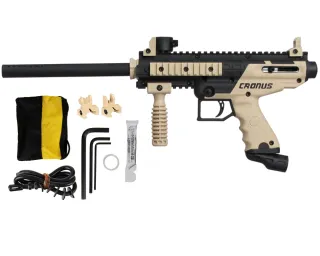
Spring and air do the work. Tough, cheap to run, and easy to fix in the field.
Best for: Beginners, rec players, and anyone who values dependability.
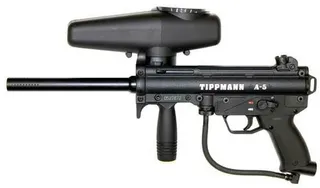
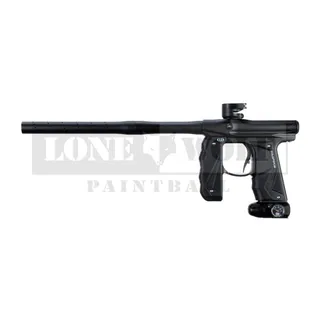
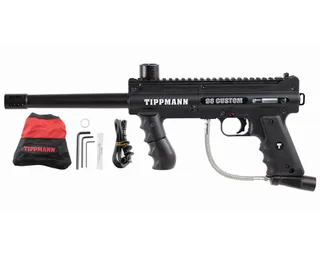
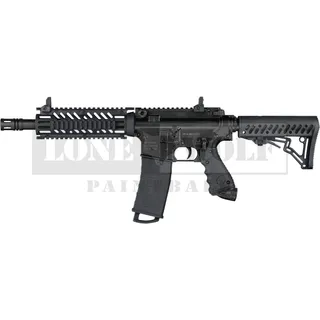
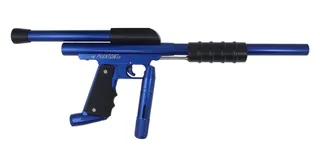

A paintball gun, also called a paintball marker, is the heart of every player's kit, and choosing the right one shapes how much you enjoy the sport. This category brings together every marker in our database alongside genuine, no-nonsense buying guidance so you can match a gun to how you actually play, whether that's casual rec ball at the local field, weekend woodsball and scenario games in the trees, or fast-paced tournament speedball on an inflatable course.
Six families of marker, each with its own sweet spot. Pick the one that matches how you actually play, then narrow down by budget.
Spring and air do the work. Tough, cheap to run, and easy to fix in the field.
Best for: Beginners, rec players, and anyone who values dependability.

A board and solenoid fire the marker. Faster, smoother, and more air efficient.
Best for: Improving rec players ready to move past rental-grade gear.

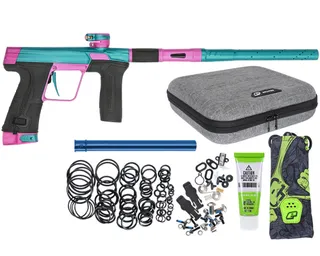
High-end electropneumatic markers built for speedball: rate of fire, low kick, consistency.
Best for: Experienced and competitive players.

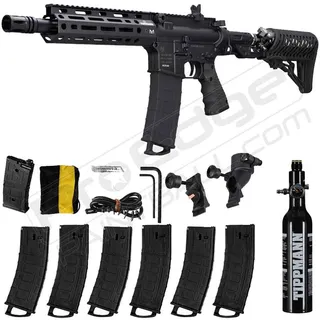
Durable, often milsim-styled markers that shrug off mud, drops, and long days in the trees.
Best for: Woodsball and scenario players.

You re-cock every shot. Quiet, supremely efficient, and a discipline of its own.
Best for: Experienced players who want a new challenge.

Magazines instead of a hopper. Capped shots, realistic handling, tactical play.
Best for: Magfed and milsim enthusiasts.

Best for beginners: Tank-tough inline blowback that runs on CO2 or HPA, uses cheap common parts, and leaves budget for a real mask and air.
Budget
woodsball, rec
$60 to 110

Best value: Premium-feeling features (Hyper3 regulator, on/off ASA, barrel kit) at an entry-electronic price. The current sub-$400 value leader.
Mid-Range
speedball, woodsball
$350 to 400

Best for tournament: The Gamma Core flagship: hoseless build, Bluetooth board, S63 barrel system. Widely cited as the best all-around gun in the sport.
Premium
speedball
$1,400 to 1,600
Best for woodsball: The 98's bigger sibling with the Cyclone Feed System: fast mechanical feed with no battery, parts stocked everywhere.
Budget
woodsball, scenario
$170 to 230
Best for magfed and milsim: The go-to entry magfed gun. AR-style dual-feed carbine that switches between magazines and a hopper on reliable mechanical internals.
Mid-Range
woodsball, scenario, Magfed
$250 to 320

Best pump: The most iconic pump ever made, in production since 1987. A Nelson-valve platform with endless stock-class and open-class configurations.
Mid-Range
Pump, stock class, woodsball
$230 to 450
Everything here is educational. We don't publish invented specifications. Where a marker's real specs and pricing guidance exist, you'll find them on that gun's own resource page, which you can reach from the grid below.
The default first-gun recommendation: a tank-tough inline blowback semi-auto that runs on CO2 or HPA and shrugs off abuse.
Budget
woodsball, rec
$60 to 110

The Cronus Basic with a milsim shell: collapsible stock, barrel shroud and extra rails for a carbine look without changing the reliable internals.
Budget
woodsball, scenario
$80 to 130

The genre's workhorse for two decades: a split-receiver blowback with an Anti-Chop Technology bolt and a vast aftermarket and field-rental footprint.
Budget
woodsball, scenario
$110 to 160
The 98's bigger sibling, defined by its Cyclone Feed System that mechanically advances paint in time with the bolt for high mechanical feed rates without a battery.
Budget
woodsball, scenario
$170 to 230

A 98-platform gun dressed as an M4-style carbine; still widely circulated secondhand as a budget milsim starter.
BudgetDiscontinued
woodsball, scenario
$70 to 120 USED

Tippmann's lightweight entry semi-auto in a sleek polymer shell, aimed at first buyers who want lighter handling than the Cronus.
Budget
rec, woodsball
$100 to 140

A budget AR-15-styled semi-auto with a full carbine shell, targeting the airsoft-to-paintball crossover crowd.
Budget
woodsball, scenario
$120 to 160

Kingman's long-running budget blowback, one of the cheapest brand-new guns that still shoots respectably out of the box.
Budget
rec, woodsball
$55 to 90

Spyder's milsim-styled blowback with a shroud and rails, a budget alternative to the Tippmann tactical line.
Budget
woodsball, scenario
$90 to 130

A clean, lightweight mechanical semi-auto that punches above its price for new players who want simple and reliable.
Budget
rec, woodsball
$90 to 120

A mechanical gun with a speedball body and the famous self-cleaning Freeflow bolt, bridging entry mechanical and tournament ergonomics.
Budget
rec, woodsball, speedball
$150 to 200

A budget milsim carbine on a blowback platform, often sold as a full ready-to-play package.
Budget
woodsball, scenario
$100 to 160

A rugged milsim blowback from Empire's Battle Tested line, common on the used market for scenario players.
BudgetDiscontinued
woodsball, scenario
$70 to 130 USED

The gun that made the Gamma Core spool drivetrain affordable; still one of the most recommended used buys for a first electronic gun.
Mid-RangeDiscontinued
speedball, woodsball, rec
$230 to 330 USED

The current Etha: refined ergonomics and an available metal body, carrying the Gamma Core drivetrain that defines low-maintenance reliability.
Mid-Range
speedball, woodsball, rec
$380 to 480

The first Gtek to carry the Gamma Core, delivering near-flagship performance at a mid price; a strong used pickup.
Mid-RangeDiscontinued
speedball
$300 to 420 USED

A mid-priced gun engineered to feel like a high-end gun, with the Gamma Core spool valve and blade-styled body.
Mid-Range
speedball
$560 to 680

The latest Gtek refinement with updated electronics and ergonomics, the top of the mid-tier Gamma Core line.
Mid-Range
speedball
$650 to 780

A lightweight, hoseless poppet gun prized for a crisp shot and low operating pressure at an accessible price.
Mid-Range
speedball, woodsball
$350 to 450

The upgraded Axe with a tool-less bolt system and refined frame for tournament players who want a featherweight poppet.
Mid-Range
speedball
$450 to 560
One of paintball's all-time best-selling guns: tiny, hoseless and affordable, with an on/off ASA tucked into the grip.
Mid-Range
speedball, woodsball
$280 to 380

Dye's value workhorse: a poppet gun with a generous kit (barrel, on/off) that delivered Dye build quality at a mid price.
Mid-RangeDiscontinued
speedball, woodsball
$250 to 360 USED
The current sub-$400 value leader: premium-feeling features (Hyper3 reg, UL on/off, barrel kit) at an entry-electronic price.
Mid-Range
speedball, woodsball
$350 to 400

A loaded Rize variant bundled with extra performance parts, common as a used value buy.
Mid-RangeDiscontinued
speedball, woodsball
$260 to 360 USED

A lightweight, low-cost electronic gun that lets players try ramping and an electronic trigger without a big spend.
Budget
speedball, rec
$220 to 280

A budget electronic blowback with selectable firing modes, sitting between mechanical entry guns and true poppet guns.
Budget
rec, woodsball
$140 to 190

An HK Army 'Edit' of the Planet Eclipse Etha 3: identical Gamma Core internals with custom colorways and milling.
Mid-Range
speedball
$400 to 500
Widely cited as the best all-around gun in the sport: the Gamma Core flagship with hoseless construction, modular Bluetooth electronics and the S63 barrel system.
Premium
speedball
$1,400 to 1,600

The previous-generation Gamma Core flagship, still a top-tier tournament gun and a strong premium used buy.
PremiumDiscontinued
speedball
$650 to 950 USED

An 18-year flagship lineage: the LV2 runs the Cure FT bolt at an ultra-low ~115 psi for one of the quietest, smoothest shots in paintball.
Premium
speedball
$1,500 to 1,700

The final LV1-series Ego, a benchmark tournament gun still highly sought used.
PremiumDiscontinued
speedball
$650 to 850 USED

A mechanical-frame LV-series gun: flagship body and barrel with a non-electronic trigger for mech-class events and purists.
Premium
speedball, Mechanical
$900 to 1,100

Dye's flagship DM-platform gun with MOSair Bluetooth electronics, a precision spool drivetrain and the signature Dye trigger feel.
Premium
speedball
$1,400 to 1,600
The prior DM flagship, still a top-tier used buy with the same precision feel as the M3+ minus the latest electronics.
PremiumDiscontinued
speedball
$550 to 850 USED

A flagship-adjacent gun positioned just below the M-series, offering Dye's drivetrain and trigger at a slightly lower price point.
High-End
speedball
$850 to 1,000

A previous Luxe flagship famous for its wireless electronics, tool-less serviceable breech/reg/trigger and gold-plated connections.
PremiumDiscontinued
speedball
$650 to 1,000 USED

The newest and most advanced Luxe, built around the PRIMER CORE bolt and a sealed-breech architecture for smoother, more efficient shots.
Premium
speedball
$1,500 to 1,700

A re-imagined flagship from Inception Designs/Field One featuring the decoupled OP Core drivetrain, sub-100 psi operation and the S63 Pro barrel.
Premium
speedball
$1,400 to 1,600

A modern revival of the iconic Shocker line: a tool-less spool gun with a smooth shot and a strong value-to-flagship ratio.
High-End
speedball
$850 to 1,000

An Australian-built flagship known for cleanly tuned electronics and a precise, efficient spool drivetrain.
Premium
speedball
$1,100 to 1,300

Hand-built custom Autocockers: the pinnacle of the classic timing-based platform, configurable as semi or pump for collectors and mech-class players.
Premium
speedball, Mechanical, Pump
$900 to 2,000
The most iconic pump gun ever made (in production since 1987): a Nelson-valve modular platform with endless stock-class and open-class configurations.
Mid-Range
Pump, stock class, woodsball
$230 to 450

An Autococker-threaded pump gun that ships ready to play with a smooth stroke and huge aftermarket barrel compatibility.
Mid-Range
Pump, woodsball, speedball
$400 to 460

A budget-friendly pump that brings players into pump play without the premium price, with an Autococker-threaded barrel.
Budget
Pump, woodsball
$150 to 200

A pump-action carbine built on the EMEK/EMF platform, blending milsim looks with pump play and dual-feed flexibility.
Mid-Range
Pump, woodsball, scenario
$380 to 460

A low-cost pump-action gun styled like a tactical shotgun, aimed at casual pump and rec play.
Budget
Pump, rec, woodsball
$90 to 130

A premium hand-built pump in the autococker/sniper lineage, prized for machining quality and a glass-smooth stroke.
High-End
Pump, stock class
$450 to 800

The original Autococker: a timing-based platform that defined high-end paintball in the 1990s, convertible between pump and semi and endlessly customizable.
Mid-RangeLegacy
Pump, Mechanical, speedball
$150 to 600 USED
A Vertical Stock Class Phantom configuration with a vertical CO2/HPA setup and gravity-feed, the classic tournament stock-class build.
Mid-Range
Pump, stock class
$280 to 450

A pump-action magfed pistol designed around First Strike rounds for high-accuracy sidearm and stock-class hybrid play.
Budget
Pump, Magfed, scenario
$140 to 200
The go-to entry magfed gun: an AR-style dual-feed carbine that switches between magazines and a standard hopper, all on reliable mechanical internals.
Mid-Range
woodsball, scenario, Magfed
$250 to 320

An upgraded TMC with an aluminum receiver, M-LOK handguard and air-thru stock for a more realistic carbine feel and weight balance.
Mid-Range
woodsball, scenario, Magfed
$300 to 380

A cost-effective dual-feed milsim gun with composite body and collapsible stock, a cheaper sibling to the TMC.
Budget
woodsball, scenario, Magfed
$150 to 220

A magazine-fed paintball pistol that runs on 12-gram CO2, the classic backup sidearm for scenario and magfed loadouts.
Budget
Magfed, scenario, sidearm
$120 to 170

The Tactical Compact Rifle: a TiPX-platform carbine with a folding stock and foregrip for a compact magfed primary or oversized sidearm.
Budget
Magfed, scenario, sidearm
$180 to 250

A versatile milsim platform offered in mechanical and electronic frames with realistic M16/M4-style bodies and magfed conversion options.
Mid-RangeDiscontinued
woodsball, scenario, Magfed
$200 to 400 USED

The magfed version of the beloved EMEK: PE's reliable low-pressure mechanical drivetrain in a milsim magfed package with dual-feed options.
Mid-Range
woodsball, scenario, Magfed
$300 to 380

A milsim magfed gun with a realistic platform and First Strike capability, popular for scenario and tactical play.
Mid-Range
woodsball, scenario, Magfed
$280 to 360

An AR-15-inspired magfed gun engineered around First Strike rounds, offering some of the best out-of-the-box magfed accuracy and realism.
High-End
scenario, Magfed, milsim
$550 to 700

Dye's Assault Matrix: a high-end electronic magfed gun with dual-feed and selectable modes, blending tournament tech with milsim play.
High-EndDiscontinued
scenario, Magfed, milsim
$500 to 900 USED

A dedicated magfed brand building modular, realistic tactical guns with First Strike capability and AR-style controls.
High-End
scenario, Magfed, milsim
$350 to 600

A dedicated paintball sniper platform built for First Strike rounds, offering long-range precision for marksman roles in scenario play.
High-End
scenario, Magfed, sniper
$450 to 800

The Cronus bundled as a ready-to-play kit (mask, hopper, tank), the most common all-in-one first purchase at fields and big-box stores.
Budget
woodsball, rec
$150 to 230

The non-ACT base 98: the simplest, cheapest version of the most-rented gun in paintball history.
Budget
woodsball, rec
$85 to 130

A simple, light Spyder blowback aimed at the lowest price point for casual and family rec play.
Budget
rec, woodsball
$50 to 80

The predecessor to the Kaos 3, a clean budget blowback still common on the used market.
BudgetDiscontinued
rec, woodsball
$60 to 100 USED

A milsim blowback carbine from Empire's Battle Tested line, common secondhand for budget scenario players.
BudgetDiscontinued
woodsball, scenario
$70 to 140 USED

An iconic 1990s/2000s budget gun that introduced a generation to paintball; collected for nostalgia rather than performance.
BudgetLegacy
rec
$20 to 60 USED

An AR-styled budget carbine in the Stryker line, sold as a complete tactical package for new milsim players.
Budget
woodsball, scenario
$100 to 150

A trimmed-down, lower-cost Etha variant that keeps the Gamma Core drivetrain while shedding features to hit a lower price.
Mid-Range
rec, speedball
$300 to 360

A versatile GOG gun with swappable bolt systems (Freeflow/Xtcy) and selectable modes, a flexible mid-tier value pick used.
Mid-RangeDiscontinued
speedball, woodsball
$150 to 260 USED

A lightweight spool-style gun that earned a strong reputation for smooth shooting at an aggressive price.
Mid-RangeDiscontinued
speedball
$180 to 320 USED

A budget-friendly DP gun that offered electronic features and a respectable shot for a low entry price.
BudgetDiscontinued
speedball
$120 to 220 USED

The original compact Empire Mini that launched the tiny-gun craze; the predecessor to the GS, still common used.
Mid-RangeDiscontinued
speedball, woodsball
$150 to 250 USED

The Invert Mini that preceded the Empire Mini line, historically important as the gun that proved compact hoseless designs could compete.
Mid-RangeLegacy
speedball, woodsball
$120 to 220 USED

Dye's value sub-brand spool gun that gave many players their first taste of a smooth, efficient spool shot.
Mid-RangeLegacy
speedball
$120 to 240 USED

A budget electronic gun with selectable modes, positioned for players upgrading from a basic mechanical.
Budget
rec, woodsball
$140 to 200

A previous PE flagship line on the Gamma Core drivetrain, still a top-tier used buy with hallmark reliability.
PremiumDiscontinued
speedball
$500 to 750 USED

A compact Gamma Core gun bridging the Geo and CS lines, beloved for its small profile and reliability.
PremiumDiscontinued
speedball
$500 to 700 USED

A celebrated generation of the DM platform, still highly regarded and sought after on the used market.
PremiumDiscontinued
speedball
$400 to 650 USED

A later Shocker generation with refined electronics and a smooth spool shot, a strong premium used option.
High-EndDiscontinued
speedball
$300 to 500 USED

A high-end gun from the legendary Bob Long lineage, prized by collectors for its build and historical pedigree.
High-EndLegacy
speedball
$300 to 700 USED

Empire's flagship tournament gun with refined electronics and a smooth poppet shot, a premium used option.
High-EndDiscontinued
speedball
$300 to 500 USED

A flagship Luxe generation famous for its tournament pedigree and tool-less serviceability, a sought-after premium used buy.
PremiumDiscontinued
speedball
$450 to 750 USED

A respected MacDev flagship known for clean electronics and efficient shooting, popular among enthusiasts.
High-EndDiscontinued
speedball
$350 to 600 USED

A budget pump-action gun that gave casual players an inexpensive entry to pump play.
BudgetDiscontinued
Pump, rec, woodsball
$60 to 110 USED

An ultra-budget pump pistol/gun often sold as a ready-to-play kit, the cheapest way to try pump-action play.
Budget
Pump, rec
$40 to 80

An improved budget pump with a regulator and on/off ASA, a step up from the base Kaos Pump for serious pump beginners.
Budget
Pump, woodsball
$200 to 260

A cult-favorite pump platform known for its distinctive design and accuracy-focused barrel system.
Mid-RangeLegacy
Pump, stock class
$150 to 400 USED

A classic stock-class pump pistol from paintball's earliest era, the archetype of the minimalist stock-class build.
Mid-RangeLegacy
Pump, stock class
$80 to 300 USED

A revered hand-built pump from Palmer's Pursuit Shop, prized by collectors for craftsmanship and smooth operation.
High-EndLegacy
Pump, stock class
$300 to 900
A lightweight modern milsim gun with an inline poppet design, M-LOK rails and an adjustable stock for the tactical look at a moderate price.
Mid-Range
woodsball, scenario
$170 to 230

A magfed paintball pistol (evolved from the Tiberius T9) designed around First Strike rounds for accurate sidearm and CQB use.
Mid-Range
Magfed, scenario, sidearm
$160 to 230

The classic Tiberius magfed pistol (now First Strike Hero), foundational to modern magfed and First Strike play.
Mid-RangeLegacy
Magfed, scenario, sidearm
$120 to 220 USED

A dual-feed milsim gun from Empire's Battle Tested line, common secondhand for budget magfed scenario play.
Mid-RangeDiscontinued
woodsball, scenario, Magfed
$120 to 220 USED

An AK-47-styled magfed kit/gun (often built on a Tippmann core) for players wanting Eastern-bloc rifle aesthetics in scenario play.
Mid-Range
scenario, Magfed, milsim
$250 to 400

A modular magfed gun designed for milsim with realistic controls, magazine feed and an emphasis on customization.
High-End
scenario, Magfed, milsim
$350 to 550

A US Army-branded 98-platform carbine, common on the used market as a budget milsim starter.
BudgetDiscontinued
woodsball, scenario
$70 to 120 USED

A Spyder electro-mechanical hybrid with selectable modes, bridging budget mechanical and electronic play.
BudgetDiscontinued
rec, woodsball
$80 to 140 USED

A GOG spool gun with tool-less maintenance and a smooth shot, a solid mid-tier value still found used.
Mid-RangeDiscontinued
speedball, woodsball
$180 to 300 USED

The original Empire Axe that established the lightweight hoseless-poppet formula later refined in the 2.0 and Pro.
Mid-RangeDiscontinued
speedball, woodsball
$150 to 260 USED

The original LV1 that introduced the low-pressure Gamma Core Ego, a landmark flagship still respected used.
PremiumLegacy
speedball
$450 to 650 USED

A Dye flagship variant with a focus on a refined, efficient spool shot, a premium used option below the DM line price.
High-EndDiscontinued
speedball
$350 to 550 USED

A boutique mechanical/spool gun from Inception Designs, blending custom machining with modern internals for enthusiasts.
Premium
speedball, Mechanical
$900 to 1,500

A legendary hand-built pump from Carter Machine, among the most collectible and smoothest-stroking pumps ever made.
PremiumLegacy
Pump, stock class
$500 to 1,500

A magfed-capable milsim carbine from Valken offering an affordable tactical platform with magazine feed.
Budget
woodsball, scenario, Magfed
$140 to 220
These listings have not yet received a full editorial review.
Electronic markers, more precisely electropneumatic markers, use a circuit board and solenoid to actuate the firing cycle, delivering higher, smoother rates of fire than a mechanical trigger ever could. They typically shoot more efficiently and with far less kick, which makes long days easier on your hands and your air. The trade-off is a battery to charge, a board to understand, and a preference for clean, stable HPA. Modern boards offer selectable firing modes and tournament-legal caps, and tool-less bolt systems let you clear a chop in seconds. If you are improving past the rental stage, this is the family most players grow into.
Mechanical markers, usually inline blowback designs, use spring and air pressure alone to cycle. With no electronics to fail, they are renowned for ruggedness, simplicity, and low cost, which is exactly why they dominate rental counters and first-gun recommendations. They are louder and kick more than electronic guns, but you can fix almost anything in the field with a basic kit. Parts are cheap and widely stocked, maintenance is forgiving, and a well-cared-for mechanical marker will outlast seasons of abuse. For beginners, woodsballers, and anyone who values dependability over headline rate of fire, a mechanical gun is the smart foundation to build a kit around.
Tournament markers are high-end electropneumatic guns engineered for the demands of competitive speedball: blistering rates of fire, low recoil, excellent air efficiency, and rock-solid consistency under pressure. They reward tuning and a quality air system, and they carry the price tag to match. Spool-valve and poppet designs each have devoted followings, and the best of them are quiet, gentle on paint, and remarkably efficient. These markers shine brightest in the hands of players who already understand maintenance and air tuning, paired with a lightweight carbon fiber tank and a barrel kit matched to their paint.
Woodsball is played in natural terrain, and the markers that thrive there favor durability, milsim styling, and the ability to take a beating without complaint. Many are rugged mechanical platforms; some are magfed for a more tactical feel. Reliability and parts availability matter more than raw rate of fire, because a gun that jams in the brush ends your game fast. Look for weather resistance, a comfortable carry, and accessory rails for stocks, sights, and remote lines. The classic choice remains a tough blowback that shrugs off mud and drops while keeping you in the fight all day long.
Pump markers require you to manually re-cock between shots, which sounds like a handicap but is really a discipline. They are supremely efficient, quiet, and rewarding, and a skilled pump player can hold their own against ramping electronic guns by making every shot count. Pump play strips the sport back to marksmanship, positioning, and patience, and it has a passionate competitive following with its own formats. Because they sip air, pump guns run happily on small, light tanks, and many are beautifully machined heirloom-grade tools you will keep for life.
MagFed markers feed from magazines instead of a hopper, capping your shots and forcing thoughtful, tactical play. They deliver a realistic milsim experience and are popular for scenario games and first-strike-capable formats. Expect lower rates of fire by design and a focus on reloading skill and ammo conservation. Many magfed platforms accept both standard rounds and first-strike projectiles for extended range, and their compact profiles suit close-quarters and woodsball alike. If immersion and tactics appeal to you more than the volume of paint you can throw, magfed is a deeply rewarding way to play.
Paintball began in 1981 with a small group using agricultural marking pistols to tag one another in the woods of New Hampshire, and the equipment has evolved relentlessly ever since. The earliest markers were single-shot, pump-action tools that bore little resemblance to today's guns. Through the 1990s, semi-automatic blowback designs democratized the sport, and the early 2000s saw the rise of electropneumatic markers whose circuit boards and solenoids unlocked rates of fire that mechanical triggers could never match. Understanding that history helps explain why today's catalog spans everything from rugged blowbacks to featherweight tournament guns. What unites every era is a relentless focus on safety and fair play, with fields chronographing markers to a safe velocity cap of roughly 280 feet per second regardless of how advanced the gun is.
Mechanically, every paintball gun does the same fundamental job: seal a .68-caliber ball in a breech, then release a precisely metered burst of compressed gas to launch it down the barrel at a safe, chronographed velocity. The differences lie in how that cycle is triggered and managed. Blowback designs use the firing gas itself to re-cock the marker. Spool-valve and poppet-valve electropneumatic designs use a board-controlled solenoid to pilot the firing sequence, trading mechanical simplicity for smoothness, efficiency, and programmability. Pump markers hand that re-cocking duty back to the player, which is why they sip air and reward discipline.
Air is the other half of the system. Compressed HPA (high-pressure air) delivers consistent pressure across temperatures and is the standard for electronic and tournament markers, where stability translates directly into accuracy and reliability. CO2 stores more energy in a smaller bottle and is cheaper to fill, but it behaves unpredictably as it changes from liquid to gas, especially in rapid fire or cold weather, which is why it has fallen out of favor for high-performance guns. Regulators, on/off ASAs, and quality fittings round out a setup that shoots the same on the first shot of the day as the last.
Trends in recent years have favored efficiency and ergonomics over sheer rate of fire. Modern tournament markers are lighter, quieter, and gentler on paint than their ancestors, and many use tool-less bolt systems so a player can clear a chop and get back in the game in seconds. MagFed and first-strike formats have grown a passionate following by emphasizing tactics over volume, while pump play continues as a purist's pursuit. Across every category, the manufacturers with strong parts support and active communities tend to hold their value and keep players in the game. The brand ecosystem matters as much as the technology: makers like Tippmann, Planet Eclipse, Dye, Empire, Spyder, and Azodin each cultivate their own communities, dealer networks, and parts supply, and choosing a well-supported platform keeps your marker shooting and holding value for years.
Performance, ultimately, is a chain only as strong as its weakest link. The marker matters, but so does the barrel-to-paint match, the freshness and grade of your paint, the consistency of your air, and the reliability of your loader. A new player will see a bigger improvement from a quality thermal mask and properly matched paint than from an extra few hundred dollars of marker. That's why this guide consistently steers toward total-system thinking rather than chasing a single headline spec.
Maintenance is where good markers earn their keep. The fundamentals are universal: keep the gun clean, inspect and lubricate o-rings on the schedule the manufacturer recommends, replace detents and seals before they fail rather than after, and carry a small field kit with spare o-rings, a barrel swab, and the one or two tools your marker needs. Mechanical guns are famously forgiving; electronic markers reward a steady routine. Either way, the difference between a gun that runs for years and one that frustrates you comes down to a few minutes of care between games.
When it comes time to buy, weigh reliability, maintenance, air efficiency, upgrade path, and total cost against the way you actually intend to play. Be honest about whether you're a casual rec player, a dedicated woodsballer, a magfed tactician, or a tournament competitor, because the right marker for one is rarely the right marker for another. Use the comparison table and the type breakdowns above to narrow the field, then dig into the individual gun resource pages for the real specifications and pricing guidance that will finalize your decision. Lean on the curated collections and brand pages linked throughout this guide, from beginner-friendly picks and budget options to tournament and pump selections, to shortcut the research, then confirm the real details on each marker's own resource page before you commit.
Choosing well, in the end, is about matching honest self-knowledge to the right slice of the catalog. A casual rec player who plays a few times a year is best served by a forgiving, affordable marker and the money saved spent on a thermal mask and reliable air. A dedicated woodsballer or scenario player wants durability, weather resistance, and parts they can find anywhere, often in a magfed or rugged mechanical platform. A speedball competitor commits to a tuned electropneumatic gun, a light carbon fiber tank, and a barrel kit dialed to their paint. A pump purist trades volume for efficiency and the satisfaction of making every shot count. None of these players is more serious than another. They simply value different things, and the beauty of paintball is that there is a marker and a format for each of them. Use the type breakdowns, comparison table, brand pages, and collections on this site to narrow the field, lean on the community for real-world feedback, and let the individual resource pages settle the final decision with genuine specifications rather than hype.
 Paintball Masks. Protective goggles and thermal lenses: the one piece of gear you can never skimp on.
 HPA Tanks & Air Systems. Compressed-air tanks and regulators that power your marker consistently shot to shot.
 Paintballs. How paint grade, fill, and shell brittleness affect accuracy and barrel matching.
 Paintball Loaders & Hoppers. Gravity, agitating, and force-fed loaders that keep your marker eating paint.
 Paintball Barrels. Barrel bore sizing, length, and porting and how they affect efficiency and sound.
 Paintball Marker Parts. O-rings, seals, detents, and upgrade kits that keep your gun running like new.
 MagFed Paintball Gear. Magazines, first-strike-capable kits, and tactical accessories for magfed play.