Browse guns
Collections
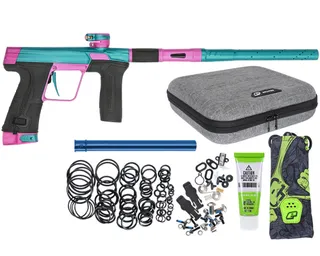
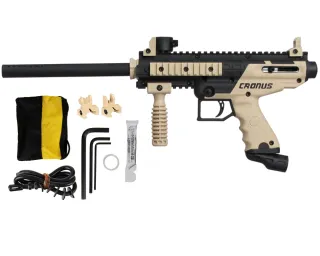
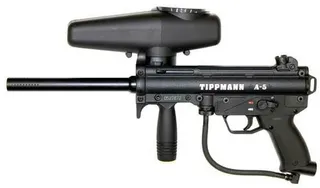













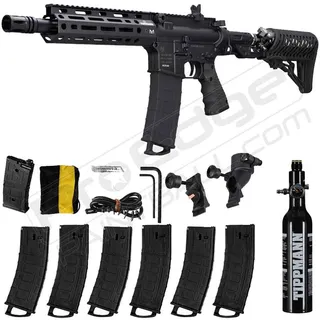
MagFed Paintball Gear
MagFed paintball gear is the kit that supports magazine-fed play, the tactical, milsim-flavoured side of the sport where markers feed from magazines instead of hoppers. Where speedball is about volume of fire, magfed is about deliberate, realistic engagements, and the gear reflects that. Magazines, first-strike-capable rounds, pods and harnesses, and tactical accessories all exist to make capped-feed, immersive play work smoothly, and choosing them well is what separates a satisfying milsim loadout from a frustrating one.
The defining piece of magfed gear is the magazine itself, which holds a limited number of rounds and forces the thoughtful, conserve-your-paint playstyle that fans love. Beyond magazines, first-strike rounds, finned, shaped projectiles that fly further and straighter than round paint in compatible markers, add genuine reach for precision-minded players, while harnesses, pouches, and pods keep your magazines and paint organised and reachable. Each item is about supporting a tactical game built around reloading skill and shot placement rather than rate of fire.
Magfed gear is equipment, not markers, so there is no gun grid on this page. The gear only makes sense alongside a magfed-capable marker, so the right approach is to build the loadout around the gun you choose. Use the related links to reach the magfed and woodsball gun pages where the actual markers in our database live, each with real specifications on its own resource page, so you can match magazines and accessories to a compatible marker.
Everything here is educational buying guidance. We do not publish invented capacities, specifications, or prices. Exact magazine capacities, round compatibility, and pricing belong to the individual product and your specific marker, and we focus on the principles of building a magfed loadout.
How to Choose MagFed Paintball Gear
What to Look For in MagFed Paintball Gear
- Magazines that are compatible with your specific magfed marker. Fit and feed are not universal.
- Whether your marker and magazines are first-strike capable if you want the extra range those rounds offer.
- Reliable magazine feeding, since a magazine that jams undermines the whole magfed experience.
- Enough magazines, plus a harness or pouches, to carry a practical number of rounds for your game length.
- Durable pods and a harness that keep paint and magazines secure and reachable while you move.
- Tactical accessories, slings, grips, sights, that suit milsim and scenario play without over-cluttering the marker.
- Quality construction that survives the rough, ground-level play magfed encourages.
Types Explained
Magazines
Magazines are the heart of magfed play, holding a limited number of rounds and feeding them into the marker as you fire. Their capped capacity is the whole point. It enforces the conserve-and-place style that defines magfed. Magazines are specific to each marker's design, so fit and reliable feeding are paramount, and most players carry several in a harness so they can reload quickly and stay in the game.
First-Strike-Capable Kits
First-strike rounds are finned, shaped projectiles that fly further and straighter than standard round paint, giving precision-minded players genuine extra range, but only in markers and magazines designed to handle them. First-strike-capable kits and magazines unlock this capability, making them popular for sniper-style and scenario play. They cost more than round paint and require compatible equipment, so confirm your marker supports them first.
Pods, Harnesses, and Tactical Accessories
A harness, magazine pouches, and pods keep your magazines and paint organised, secure, and reachable while you move through cover. Tactical accessories such as slings, grips, and sights round out a milsim loadout, helping you handle and carry the marker in realistic play. The aim is practical organisation that speeds reloads without over-cluttering or overweighting the marker and rig.
Expert Recommendations for MagFed Paintball Gear
Best Starter Loadout
Begin with a handful of quality magazines that fit your marker and a simple harness or set of pouches to carry them. That covers the essentials of magfed play, capped feed and fast reloads, without overspending. Add first-strike rounds and tactical accessories later, once you know your marker supports them and you understand how you like to play.
Best for Precision and Range
If your marker and magazines are first-strike capable, first-strike rounds are the upgrade that most changes magfed play, offering noticeably greater effective range and straighter flight than round paint. Pair them with a stable sight and a steady, deliberate shooting style for sniper-flavoured scenario and milsim engagements.
Best for Scenario and Milsim
A well-organised harness with enough magazines to last a push, durable pods for backup paint, and a clean, purposeful set of accessories make long scenario games flow. Prioritise reliable feeding and fast, repeatable reloads over gadgets. In magfed, the player who reloads smoothly and places shots beats the one with the busiest rail.
MagFed Paintball Gear: Frequently Asked Questions
What is magfed paintball?
What gear do I need to start magfed?
What are first-strike rounds?
Can any paintball marker shoot first-strike rounds?
How many rounds does a magfed magazine hold?
Are magfed markers good for beginners?
Will magazines from one marker fit another?
How do I keep magfed magazines feeding reliably?
Do I still need a hopper for magfed?
What accessories are worth it for magfed?
Is magfed paintball more expensive than regular paintball?
Everything You Need to Know About MagFed Paintball Gear
MagFed paintball grew out of a desire for realism. Where the sport's competitive side raced toward ever-higher rates of fire, a large community wanted something closer to the deliberate, tactical feel of milsim, and magazine-fed markers delivered it. By replacing the hopper with magazines that hold a limited number of rounds, magfed caps the paint you have ready to fire and rewards patience, positioning, and shot placement over volume. The gear that supports this style exists to make capped-feed, immersive play work reliably, and understanding it is the key to a loadout that enhances rather than frustrates the experience.
The magazine is the defining piece of magfed gear, and everything else builds around it. Its limited capacity is not a drawback but the entire point: it enforces the conserve-and-place rhythm that magfed players love, turning each reload into a tactical decision. Because magazines are engineered for specific markers, fit and reliable feeding matter above all else. A magazine that jams undermines the whole experience. Most players carry several in a harness so a reload is quick and they can stay in the fight, which makes reloading skill as important as marksmanship in this format.
First-strike rounds are the technology that gives magfed its precision edge. Unlike round paintballs, they are finned, shaped projectiles that fly further and straighter, offering genuine extra range in markers and magazines designed to handle them. This is what enables the sniper-style and long-range scenario play that many magfed enthusiasts pursue. The catch is compatibility: only first-strike-capable markers and magazines can feed and fire them reliably, and the rounds cost more than standard paint, so they are an upgrade to adopt deliberately once you have confirmed your equipment supports them.
Carrying gear, harnesses, pouches, and pods, is what turns a collection of magazines into a workable loadout. A good harness keeps magazines secure and reachable as you move through cover, so reloads are fast and instinctive, while pods hold backup paint for refilling between engagements. The goal is practical organisation: enough capacity to last a push without so much bulk that you cannot move. Tactical accessories such as slings, grips, and sights complete a milsim loadout, but the discipline is to add them purposefully, since weight and clutter on the marker cost more in mobility than they return in capability.
Reliability is the thread running through all magfed gear. Magazines must feed cleanly, which means keeping them free of broken-paint residue, loading them correctly, using fresh round paint, and maintaining their feeding springs. First-strike rounds demand compatible, well-maintained equipment to perform. Even the harness and pods earn their place by being durable enough to survive the low, ground-level play that magfed encourages. A player who maintains their magazines as carefully as their marker will enjoy the smooth, immersive experience the format promises, while one who neglects them will fight constant misfeeds.
Because magfed gear only makes sense alongside a compatible marker, the smartest approach is to choose the marker first and build the loadout around it. Confirming magazine fit, first-strike capability if you want it, and the carrying gear that suits your game. The reward is one of the most immersive experiences in paintball, a tactical, realistic game where reloading and positioning matter as much as shooting. When you are ready to match magazines and accessories to a specific marker, the magfed and woodsball gun pages linked here lead to the real markers in our database, each with verified specifications on its own resource page.
Related Categories
- MagFed Paintball Guns. Magazine-fed markers for tactical, milsim, and scenario play.
- Woodsball Paintball Guns. Durable markers built for outdoor, scenario, and milsim-style play.
- Scenario Paintball Guns. Versatile markers for big-game scenario and milsim events.
- First Strike Paintball Guns. Browse First Strike markers in our database with specs and pricing guidance.
- Paintball Guns & Markers. Every marker in our database with buying guidance by type, skill, and budget.
- Paintball Masks & Goggles. Protective goggles and thermal lenses. The one piece of gear you can never skimp on.