













Budget
Dual-feed Stormers, the TiPX and TCR, and the Valken Blackhawk. Affordable ways into magazines.
Best for: Magfed starters and sidearm buyers.
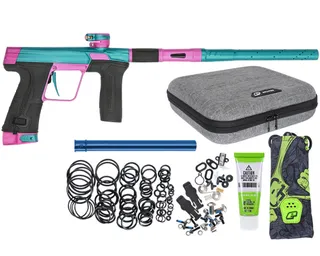
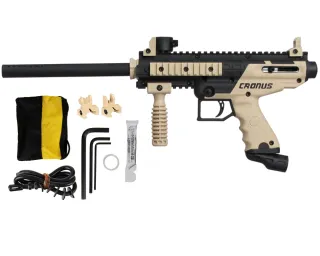
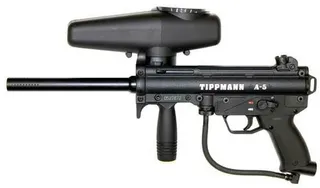
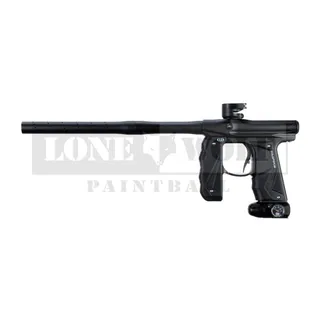
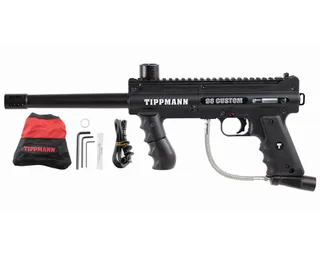
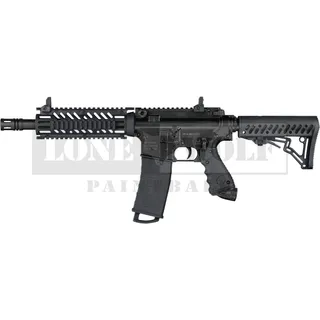
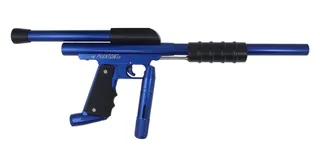

MagFed paintball guns swap the hopper for a magazine, and that single change transforms how the game feels. Instead of an effectively bottomless supply of paint, you carry a finite number of rounds in each mag, which forces deliberate, tactical play and rewards good positioning and reloading skill. The result is an immersive, milsim-style experience that has built a passionate following among scenario, woodsball, and tactical players who prize realism over volume of fire.
Magfed runs from a $120 backup pistol to dedicated First Strike platforms. Pick a bracket, then compare feed systems inside it.
Dual-feed Stormers, the TiPX and TCR, and the Valken Blackhawk. Affordable ways into magazines.
Best for: Magfed starters and sidearm buyers.

The TMC family, the Valken M17, the EMF100 and the Tacamo Tyrant. Dual feed and First Strike capability.
Best for: Woodsball and scenario players going magfed.

Dedicated platforms: the T15, MILSIG, Wrek and the SAR12 marksman rifle. Built for magfed from the ground up.
Best for: Serious milsim players.
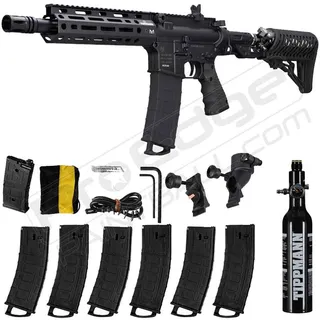
Best entry magfed: An AR-style dual-feed carbine that switches between magazines and a hopper on reliable mechanical internals.
Mid-Range
woodsball, scenario, Magfed
$250 to 320
Best for milsim realism: AR-15 inspired and engineered around First Strike rounds, with some of the best out-of-the-box magfed accuracy and realism.
High-End
scenario, Magfed, milsim
$550 to 700

Best for reliability: The magfed EMEK: Planet Eclipse's low-pressure mechanical drivetrain in a milsim package with dual-feed options.
Mid-Range
woodsball, scenario, Magfed
$300 to 380

Best First Strike value: A realistic milsim platform with First Strike capability at a mid-range price.
Mid-Range
woodsball, scenario, Magfed
$280 to 360

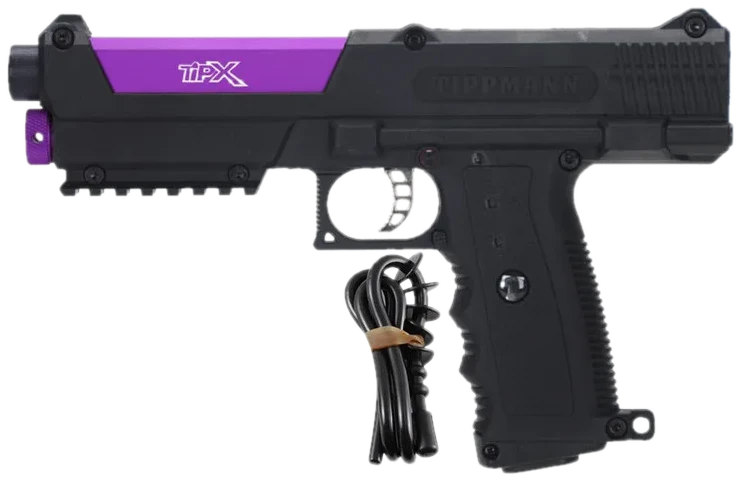
Best sidearm: The classic magazine-fed backup pistol, running on 12-gram CO2 for true sidearm use.
Budget
Magfed, scenario, sidearm
$120 to 170

Best for marksmen: A dedicated sniper platform built for First Strike rounds, offering long-range precision for marksman roles.
High-End
scenario, Magfed, sniper
$450 to 800
The go-to entry magfed gun: an AR-style dual-feed carbine that switches between magazines and a standard hopper, all on reliable mechanical internals.
Mid-Range
woodsball, scenario, Magfed
$250 to 320

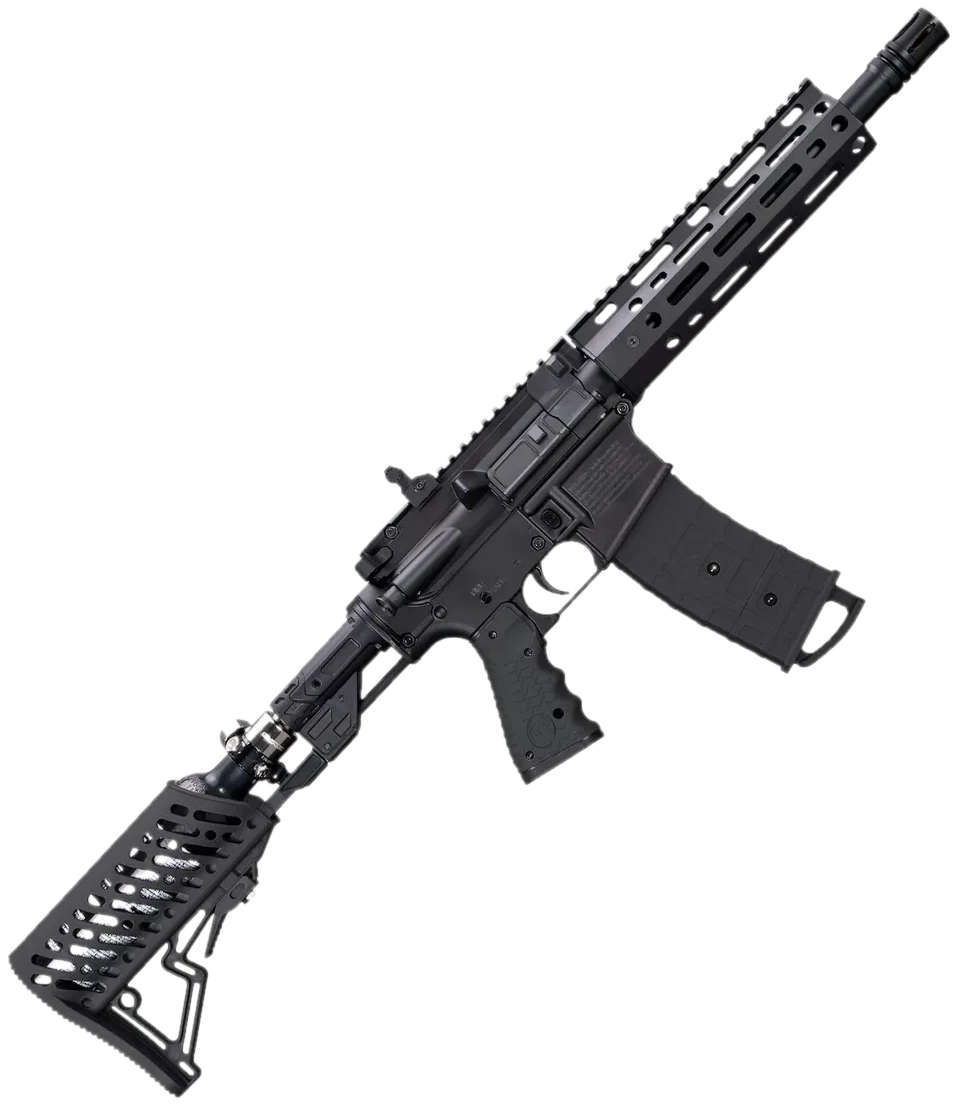
An upgraded TMC with an aluminum receiver, M-LOK handguard and air-thru stock for a more realistic carbine feel and weight balance.
Mid-Range
woodsball, scenario, Magfed
$300 to 380
A cost-effective dual-feed milsim gun with composite body and collapsible stock, a cheaper sibling to the TMC.
Budget
woodsball, scenario, Magfed
$150 to 220
A magazine-fed paintball pistol that runs on 12-gram CO2, the classic backup sidearm for scenario and magfed loadouts.
Budget
Magfed, scenario, sidearm
$120 to 170

The Tactical Compact Rifle: a TiPX-platform carbine with a folding stock and foregrip for a compact magfed primary or oversized sidearm.
Budget
Magfed, scenario, sidearm
$180 to 250

A versatile milsim platform offered in mechanical and electronic frames with realistic M16/M4-style bodies and magfed conversion options.
Mid-RangeDiscontinued
woodsball, scenario, Magfed
$200 to 400 USED
The magfed version of the beloved EMEK: PE's reliable low-pressure mechanical drivetrain in a milsim magfed package with dual-feed options.
Mid-Range
woodsball, scenario, Magfed
$300 to 380
A milsim magfed gun with a realistic platform and First Strike capability, popular for scenario and tactical play.
Mid-Range
woodsball, scenario, Magfed
$280 to 360
An AR-15-inspired magfed gun engineered around First Strike rounds, offering some of the best out-of-the-box magfed accuracy and realism.
High-End
scenario, Magfed, milsim
$550 to 700

Dye's Assault Matrix: a high-end electronic magfed gun with dual-feed and selectable modes, blending tournament tech with milsim play.
High-EndDiscontinued
scenario, Magfed, milsim
$500 to 900 USED

A dedicated magfed brand building modular, realistic tactical guns with First Strike capability and AR-style controls.
High-End
scenario, Magfed, milsim
$350 to 600
A dedicated paintball sniper platform built for First Strike rounds, offering long-range precision for marksman roles in scenario play.
High-End
scenario, Magfed, sniper
$450 to 800

A lightweight modern milsim gun with an inline poppet design, M-LOK rails and an adjustable stock for the tactical look at a moderate price.
Mid-Range
woodsball, scenario
$170 to 230

A magfed paintball pistol (evolved from the Tiberius T9) designed around First Strike rounds for accurate sidearm and CQB use.
Mid-Range
Magfed, scenario, sidearm
$160 to 230

The classic Tiberius magfed pistol (now First Strike Hero), foundational to modern magfed and First Strike play.
Mid-RangeLegacy
Magfed, scenario, sidearm
$120 to 220 USED

A dual-feed milsim gun from Empire's Battle Tested line, common secondhand for budget magfed scenario play.
Mid-RangeDiscontinued
woodsball, scenario, Magfed
$120 to 220 USED

An AK-47-styled magfed kit/gun (often built on a Tippmann core) for players wanting Eastern-bloc rifle aesthetics in scenario play.
Mid-Range
scenario, Magfed, milsim
$250 to 400

A modular magfed gun designed for milsim with realistic controls, magazine feed and an emphasis on customization.
High-End
scenario, Magfed, milsim
$350 to 550

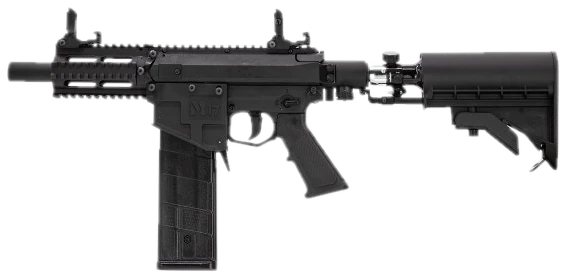
A magfed-capable milsim carbine from Valken offering an affordable tactical platform with magazine feed.
Budget
woodsball, scenario, Magfed
$140 to 220
Purpose-built magfed guns are designed from the ground up around magazine feeding, often with milsim styling and rugged construction for scenario and woodsball. They tend to feed reliably and handle like a tactical tool, making them the natural choice for players fully committed to the magfed experience.
Some markers switch between magazine and hopper feeding, giving you tactical magfed play when you want it and higher-volume hopper play when you don't. This versatility makes a convertible platform appealing if you play mixed formats or want to ease into magfed without committing entirely.
First-strike-capable magfed markers can fire specialized fin-stabilized rounds for greater range and accuracy, alongside standard paint. They appeal to precision-focused players and snipers in scenario and milsim games, where a longer-range shot can be a decisive advantage.
MagFed paintball grew out of a desire for greater realism and tactics than hopper-fed play could offer. By feeding from a magazine rather than a large hopper, these markers cap the number of rounds a player carries at any moment, transforming the rhythm of the game. Instead of laying down volume, magfed players move, take cover, pick their shots, and reload under pressure. Much closer to a milsim or tactical scenario than a speedball point. That distinct character has earned magfed a dedicated and growing following.
The defining feature is, of course, the magazine. Where a hopper holds a large, effectively continuous supply of paint, a magazine holds a finite number of rounds and must be swapped when empty. This makes reliable feeding the single most important quality in a magfed marker, and it means players carry several magazines and plan their engagements around their ammunition. The deliberate, capped feed is not a limitation to work around. It's the entire appeal of the format, rewarding skill and discipline over spray.
MagFed markers come in a few flavors. Dedicated magfed guns are built from the ground up around magazine feeding, usually with rugged construction and milsim styling for scenario and woodsball. Convertible platforms can switch between magazine and hopper feeding, offering tactical play when you want it and higher-volume play when you don't. And first-strike-capable markers can fire specialized fin-stabilized rounds for greater range and accuracy, opening up precision and sniper roles. Choosing among them depends on how committed you are to the magfed style.
First-strike rounds deserve special mention because they extend what magfed markers can do. These fin-stabilised projectiles fly further and more accurately than standard paint, giving a skilled player a genuine long-range option in scenario and milsim games. Not every magfed marker is first-strike-capable, so players who value precision and reach should confirm compatibility before buying. For many, the combination of magazine feed and first-strike capability is what makes magfed feel like a true tactical platform rather than a novelty.
A magfed marker is only one part of a tactical loadout. Magazines, pods, a harness or vest to carry them, and a reliable air system are all essential, and many players add tactical accessories to complete the milsim look and function. Because the format is about deliberate play and reloading, the carrying gear is genuinely important rather than optional, and budgeting for several magazines from the start prevents the most common frustration: running dry too often. Thinking of the marker, mags, and carrying gear as a single system leads to a far better experience.
Maintenance covers both the marker and the magazines. Keep the gun and its o-rings clean and lubricated on the manufacturer's schedule, and pay equal attention to the condition of your magazines, since clean, well-functioning mags are central to reliable feeding. Inspect your mags regularly, keep spare o-rings on hand, and run a consistent air system with a quality regulator for accuracy across magazine changes. A little care prevents the feed problems that can otherwise interrupt the tactical flow magfed players love.
When choosing a magfed marker, weigh feed reliability, magazine capacity and availability, whether you want a dedicated or convertible platform, first-strike capability, and the overall loadout against the way you play. Be honest about whether you want full milsim immersion or a versatile gun for mixed formats. Use the comparison and type breakdowns above to narrow the field, then open the individual gun resource pages from the grid for the verified specifications and pricing guidance that will finalize your decision.
 MagFed Paintball Gear. Magazines, first-strike-capable kits, and tactical accessories for magfed play.
 Woodsball Paintball Guns. Durable markers built for outdoor, scenario, and milsim-style play.Scenario Paintball Guns. Versatile markers for big-game scenario and milsim events.First Strike Paintball Guns. Browse First Strike markers in our database with specs and pricing guidance.Best MagFed Paintball Guns. Top tactical, magazine-fed picks.
 HPA Tanks & Air Systems. Compressed-air tanks and regulators that power your marker consistently shot to shot.Paintball Guns & Markers. Every marker in our database with buying guidance by type, skill, and budget.