Browse guns
Collections
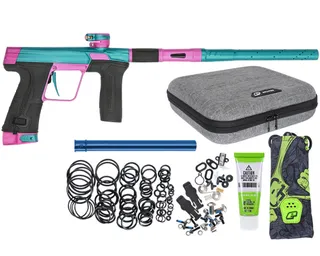
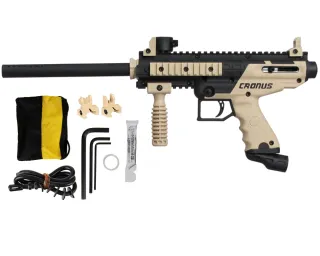
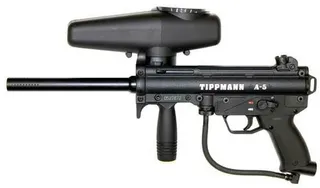
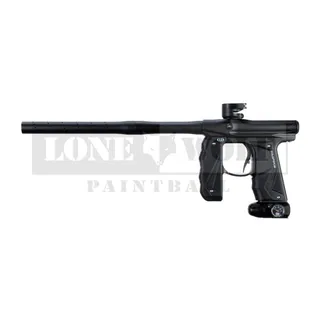
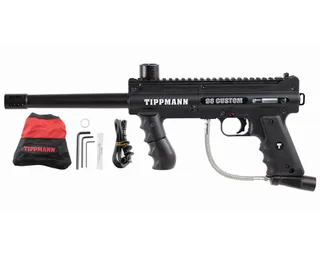
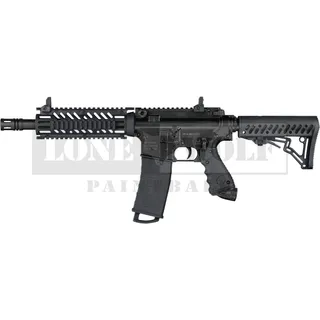
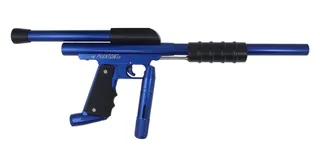













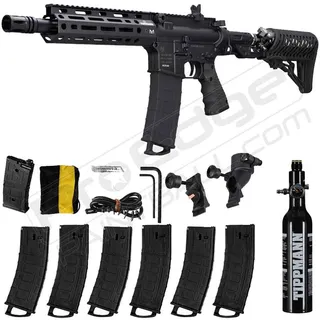
Best MagFed Paintball Guns
The best magfed paintball guns swap the hopper for magazines, capping your shots and forcing the kind of deliberate, tactical play that defines milsim and scenario paintball. Feeding from a magazine rather than a bottomless hopper makes every round count, rewards reloading skill and positioning, and delivers a realism that hopper-fed formats can't match. The grid below shows the magfed markers in our database, each with verified specifications on its own resource page.
Magfed markers come in two broad flavours. Some feed standard .68-caliber paintballs from a magazine for an affordable tactical experience, while others are built around first-strike-capable platforms that can shoot fin-stabilised projectiles for greater range and accuracy. Many are styled after real-steel platforms and accept stocks, rails, optics mounts, and sidearms, making them the centrepiece of an immersive milsim loadout. By design they shoot fewer rounds than hopper-fed guns, so they suit players who value tactics over volume.
This guide explains what to prioritise in a magfed marker, the mistakes that catch players coming from hopper-fed setups, and how to think about magazines, air, and loadout as a whole. We don't invent specifications or prices. Where a marker's real numbers exist, you'll find them on that gun's own resource page, reachable from the grid below.
How to Choose the Best MagFed Paintball Gun
What to Look For in the Best MagFed Paintball Guns
- Reliable magazine feeding with magazines that are well made and easy to source.
- Whether you want a standard .68-caliber magfed marker or a first-strike-capable platform.
- Realistic ergonomics and the ability to mount stocks, rails, optics, and accessories.
- Rugged build quality suited to outdoor, scenario, and milsim play.
- Air flexibility (HPA or CO2) matched to how and where you play.
- A respected platform with strong parts and magazine availability.
- Comfortable carry with a magazine harness or pod pack for spares.
Expert Recommendations for the Best MagFed Paintball Guns
Best for Tactical Milsim Play
A rugged magfed marker with realistic ergonomics and the ability to mount stocks, rails, and optics is the textbook milsim choice. Pair it with several magazines and a harness for an immersive, deliberate experience. Browse the magfed markers above to compare real options.
Best for First-Strike Capability
If range and accuracy are priorities, a first-strike-capable platform that can fire fin-stabilised projectiles extends your effective reach. These markers suit dedicated scenario and milsim players who want precision over volume of fire.
Best for Getting Into MagFed
A straightforward .68-caliber magfed marker is the most affordable way to experience tactical, magazine-fed play. Buy enough magazines and a harness from the start, and you'll have an immersive setup without the cost of a first-strike platform.
Best MagFed Paintball Guns: Frequently Asked Questions
Are magfed paintball guns good?
What is a magfed paintball gun?
How many shots does a magfed paintball gun hold?
What are first-strike rounds?
Can magfed guns shoot regular paintballs?
Is magfed paintball harder than regular paintball?
What gear do I need for magfed paintball?
Should a magfed gun use HPA or CO2?
Are magfed paintball guns good for beginners?
How do I maintain a magfed paintball gun?
Everything You Need to Know About the Best MagFed Paintball Guns
MagFed paintball grew out of a desire for greater realism and a more tactical game. By replacing the hopper with a detachable magazine, magfed markers cap the number of rounds a player carries on the gun and turn reloading into a skill, shifting the emphasis from suppressing with volume to making each shot count. The result is a deliberate, immersive style of play that has built a devoted following in milsim and scenario circles, and a category of markers designed specifically to support it.
There are two broad families within magfed. The first feeds standard .68-caliber paintballs from a magazine and offers an affordable, accessible route into tactical play. The second is built around first-strike capability, able to fire fin-stabilised projectiles that fly straighter and farther than round paint for greater range and accuracy. Many first-strike-capable markers can also shoot standard paint, giving players the flexibility to choose their projectile based on the game and the engagement distances they expect.
Realism and customisation are central to the magfed appeal. Many markers are styled after real-steel platforms and accept stocks, rails, optics mounts, foregrips, and even sidearms, letting players build a loadout that looks and handles like a tactical rig. That customisation isn't just cosmetic. A well-set-up stock, sling, and magazine harness genuinely improve handling, comfort, and reload speed over the long games where magfed shines. Building the loadout is, for many, half the fun of the format.
The defining constraint of magfed is limited ammunition, and embracing it is the key to enjoying the format. You simply cannot lay down the continuous fire a hopper-fed marker can, so positioning, patience, and accuracy carry the day. Carrying several magazines in a harness keeps a reasonable amount of paint on hand, and learning to reload quickly and under cover becomes a genuine skill. Players who come to magfed expecting speedball volume are disappointed; those who embrace the tactical mindset are hooked.
Air and reliability matter as much in magfed as in any outdoor format. Scenario and milsim games are often long and take you far from refill stations, so sizing your air to last and choosing a marker that runs reliably in dirty conditions are important. HPA delivers consistent performance and is preferred for serious play, while CO2 remains a workable, cheaper option for many markers. Whatever you choose, plan your air around game length so you're never stranded empty.
Maintenance for a magfed marker includes everything a normal gun needs plus attention to the magazines themselves. Clean magazines feed reliably; dirty or gritty ones cause the misfeeds that ruin a game. So alongside the usual routine of wiping the gun down, inspecting and lubricating o-rings, and replacing worn seals, keep your magazines clean and inspect them after dirty outdoor outings. A small field kit and a habit of post-game cleaning will keep a magfed setup running through long scenario seasons.
When you're ready to choose, decide whether a standard .68-caliber marker or a first-strike-capable platform suits your ambitions, ensure the magazines and parts are well supported, and budget for enough magazines and a harness from the outset. Be honest about whether you want immersive tactical play or high-volume rec ball, because magfed is firmly the former. Use the comparison above to narrow the field, then follow through to the individual gun resource pages in the grid for the verified specifications and pricing guidance that will finalise your decision.
Related Categories
- MagFed Paintball Guns. Magazine-fed markers for tactical, milsim, and scenario play.
- MagFed Paintball Gear. Magazines, first-strike-capable kits, and tactical accessories for magfed play.
- Woodsball Paintball Guns. Durable markers built for outdoor, scenario, and milsim-style play.
- Scenario Paintball Guns. Versatile markers for big-game scenario and milsim events.
- First Strike Paintball Guns. Browse First Strike markers in our database with specs and pricing guidance.
- Best Woodsball Paintball Guns. Durable picks for outdoor and scenario play.