Browse guns
Collections
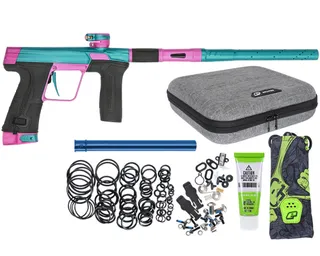
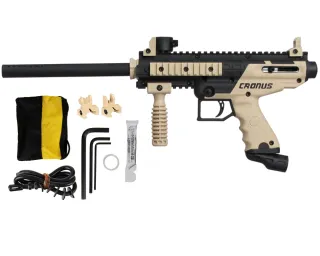
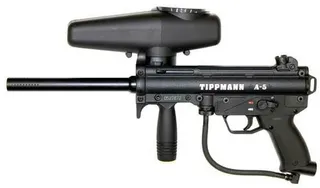
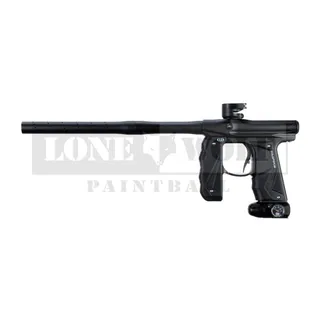
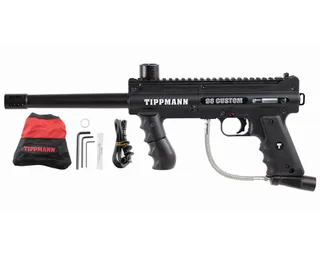
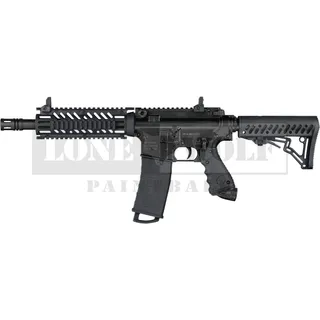
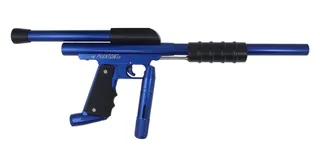













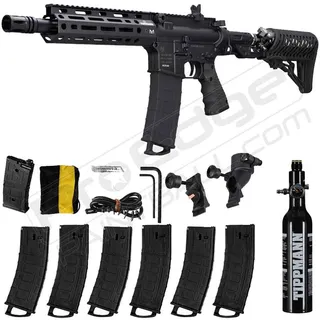
Best Woodsball Paintball Guns
The best woodsball paintball guns are built for the realities of outdoor play: mud, brush, long days in the field, and the occasional drop or knock that would retire a delicate tournament marker. Woodsball is played across natural terrain rather than a manicured speedball course, so the markers that thrive there favour durability, dependable parts availability, and a milsim feel over raw rate of fire. This is a buyer's guide rather than a grid page. For real markers and specs, follow the links to the gun-type and brand pages that suit woodsball.
Most woodsball setups are built on one of two foundations. Rugged mechanical markers offer simplicity, toughness, and field-fixable reliability, which is why they're the backbone of scenario and rec play. Magfed markers swap the hopper for magazines and a tactical reload, delivering a more realistic, deliberate experience prized in milsim. Many players choose woodsball platforms specifically because they take stocks, rails, and accessories that turn a marker into a personalised milsim build.
This guide walks through what to prioritise for outdoor play, the mistakes that catch new woodsballers, and how to think about reliability, air, and loadout as a whole. Everything here is educational guidance. For a specific marker's real specifications and pricing, follow through to the relevant gun-type or brand pages linked below.
How to Choose the Best Woodsball Paintball Gun
What to Look For in the Best Woodsball Paintball Guns
- Rugged build quality that shrugs off mud, brush, drops, and long days outdoors.
- Widely available, inexpensive parts so a torn o-ring never ends your game.
- A platform that accepts stocks, rails, and accessories for a milsim build if you want one.
- Reliable feeding. Whether hopper-fed mechanical or magazine-fed magfed.
- Air flexibility (HPA or CO2) suited to where and how often you play.
- Comfortable carry and ergonomics for moving and holding positions over long games.
- Strong brand support and a community that knows the platform.
Expert Recommendations for the Best Woodsball Paintball Guns
Best for Rugged Reliability
A proven mechanical marker built for abuse, with common parts and simple field-stripping, is the classic woodsball choice. It survives the mud and brush and you can fix almost anything on the spot. Explore the mechanical and woodsball gun-type pages for real options.
Best for a Tactical Milsim Feel
If realism and deliberate play appeal to you, a magfed marker that feeds from magazines delivers an immersive, tactical experience. Pair it with magazines and a harness suited to your loadout. See the magfed gun-type and gear pages to build toward it.
Best for Scenario and Big Games
For long scenario events, prioritise reliability, comfortable carry, and air capacity to last between fills. A durable platform you can accessorise and maintain in the field beats a flashier marker that needs babying.
Best Woodsball Paintball Guns: Frequently Asked Questions
What is the best type of paintball gun for woodsball?
Are magfed guns good for woodsball?
Do I need a special gun for woodsball or can I use any marker?
Should a woodsball gun use HPA or CO2?
What gear do I need for woodsball besides the gun?
Is woodsball harder on equipment than speedball?
Can I use a tournament marker for woodsball?
What's the difference between woodsball and scenario paintball?
How much should I spend on a woodsball gun?
Are magazines worth it over a hopper for woodsball?
Everything You Need to Know About the Best Woodsball Paintball Guns
Woodsball is paintball in its most natural form. Played across forests, fields, and rough terrain rather than a symmetrical inflatable course. It rewards movement, concealment, communication, and patience, and the markers that suit it reflect those priorities. Where speedball guns chase smoothness and rate of fire, woodsball guns chase durability, dependability, and a feel that fits a tactical loadout. Choosing well means understanding the demands of the environment before you fixate on any single feature.
The classic woodsball foundation is a rugged mechanical marker. With no electronics to fail, these blowback designs tolerate mud, dust, and moisture, strip down with basic tools, and run on o-rings you can buy anywhere and swap in the field for pocket change. That self-sufficiency is invaluable deep in the woods, where there's no pit crew and a small failure can otherwise end your day. Their toughness, low running cost, and parts availability are exactly why they dominate rental fleets and beginner recommendations.
Magfed markers offer the other great woodsball experience. By feeding from magazines instead of a hopper, they cap your shots and force the kind of deliberate, conservative play that defines milsim and scenario games. Reloading becomes a skill, positioning matters more, and the whole experience leans toward realism. The trade-off is fewer rounds on tap and the need to carry spare magazines, so many players keep both a hopper-fed and a magfed option for different styles of game.
Loadout is a bigger part of woodsball than of any other format. Stocks, slings, rails, optics mounts, pod packs, and magazine harnesses turn a basic marker into a personalised milsim build that's comfortable to carry and quick to run over long games. Comfort genuinely affects performance here: a marker and harness that fit you well let you move, hold positions, and reload without fatigue, while a poorly set-up rig wears you down before the scenario is over.
Air strategy deserves real thought in the woods. Games are often long, refill stations may be far from the action, and temperatures swing over a day outdoors. HPA delivers consistent performance across those conditions and is preferred for serious play, while CO2 remains a cheap, workable option for many mechanical markers. Whatever you choose, size your tank and plan your fills so you're never caught empty in the middle of a firefight.
Maintenance takes on extra importance after wet, dirty days. Grit and moisture are the enemies of any marker, so a habit of wiping the gun down, inspecting and lubricating o-rings, and replacing worn seals before they fail will keep a woodsball platform running season after season. Carry a small field kit, spare o-rings, a barrel swab, and the one or two tools your marker needs, and you'll handle the vast majority of issues without leaving the game.
When it's time to choose, be honest about how you want to play. If you value simplicity and bulletproof reliability, a rugged mechanical platform is hard to beat; if realism and tactics excite you, a magfed marker delivers an immersive experience; and for big scenario events, prioritise comfortable carry and air capacity. This is a guidance page rather than a grid, so use the related links to the woodsball, magfed, mechanical, and scenario pages, and the brand pages, to reach the real markers and verified specifications that fit your loadout.
Related Categories
- Woodsball Paintball Guns. Durable markers built for outdoor, scenario, and milsim-style play.
- Scenario Paintball Guns. Versatile markers for big-game scenario and milsim events.
- MagFed Paintball Guns. Magazine-fed markers for tactical, milsim, and scenario play.
- Mechanical Paintball Guns. Tough, simple blowback markers. The backbone of rec and beginner play.
- MagFed Paintball Gear. Magazines, first-strike-capable kits, and tactical accessories for magfed play.
- Tippmann Paintball Guns. Browse Tippmann markers in our database with specs and pricing guidance.
- Paintball Masks. Protective goggles and thermal lenses. The one piece of gear you can never skimp on.