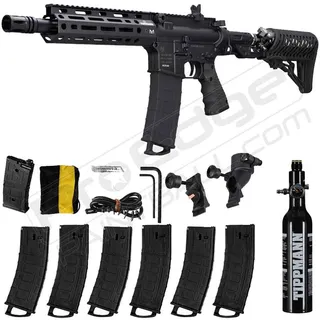













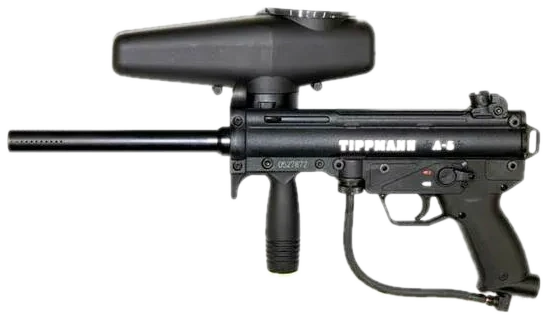
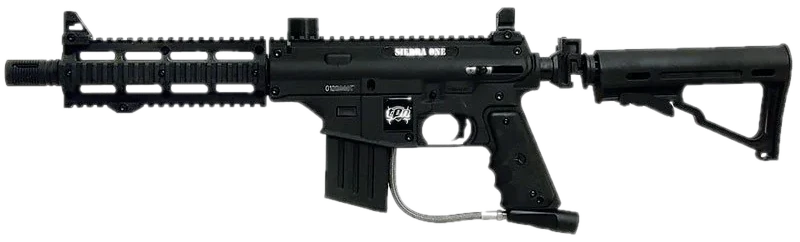
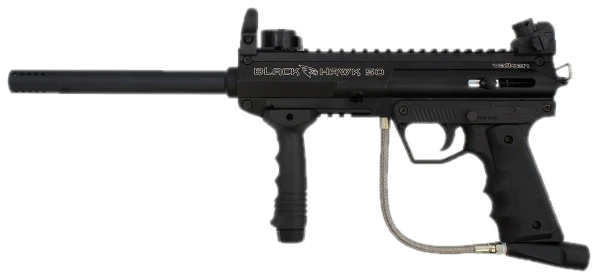

Mechanical hopper-fed
Rugged blowbacks with common parts. The classic woodsball choice because a worn o-ring is a cheap field fix.
Best for: Simplicity and toughness outdoors.
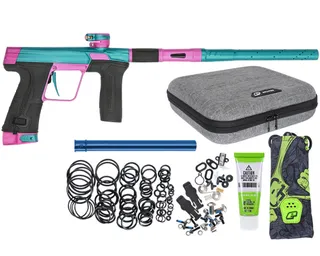
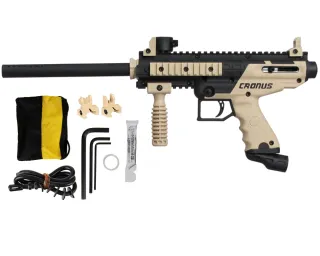
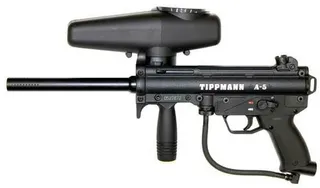
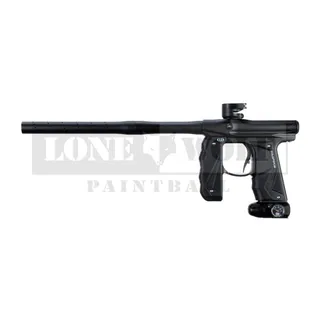
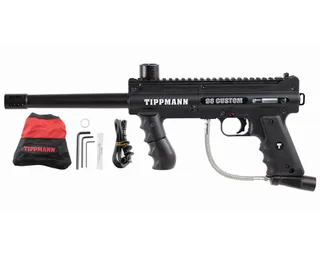
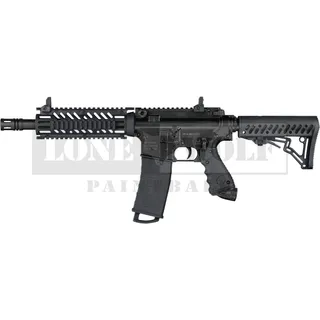
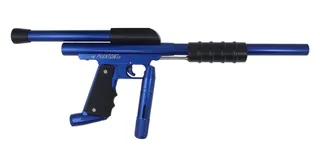

Woodsball is paintball played in natural terrain, forests, fields, and scenario sites rather than the manicured bunkers of a speedball course, and the markers that thrive there are built for a different set of demands. Durability, reliability, and parts availability matter more than raw rate of fire when you're crawling through mud, ducking behind trees, and playing long games far from the staging area. The best woodsball guns shrug off abuse and keep running when conditions turn rough.
Woodsball guns come hopper-fed or magazine-fed, mechanical or electronic. Pick the style that matches how you play in the trees.
Rugged blowbacks with common parts. The classic woodsball choice because a worn o-ring is a cheap field fix.
Best for: Simplicity and toughness outdoors.

Magazine-fed carbines for the deliberate, tactical feel, with dual-feed options when you want volume.
Best for: Tactical and milsim woodsball.

Low-maintenance electros like the Etha 3, Axe 2.0 and CZR+ that handle mud and long days.
Best for: Players who want rate of fire outdoors.

Markers built for big games: durable, comfortable to carry for hours, with rails for the gear you need.
Best for: Scenario and big-game players.

Best for rugged reliability: The workhorse of the woods for two decades: Anti-Chop bolt, easy service and parts stocked everywhere.
Budget
woodsball, scenario
$110 to 160
Best for tactical immersion: Dual-feed AR-style carbine that switches between magazines and a hopper on reliable mechanical internals.
Mid-Range
woodsball, scenario, Magfed
$250 to 320
Best for big games: Battery-free Cyclone feeding, very durable and a deep accessory catalog for long scenario days.
Budget
woodsball, scenario
$170 to 230
Best electronic for the woods: Gamma Core reliability, forgiving on paint and refined ergonomics. The electro that survives the woods.
Mid-Range
speedball, woodsball, rec
$380 to 480

Best budget milsim: Shroud, rails and a tactical look at a budget price. A first milsim gun that does not break the bank.
Budget
woodsball, scenario
$90 to 130

Best lightweight: Inline poppet design, M-LOK rails and an adjustable stock. Lighter than a TMC with modern milsim looks.
Mid-Range
woodsball, scenario
$170 to 230

The default first-gun recommendation: a tank-tough inline blowback semi-auto that runs on CO2 or HPA and shrugs off abuse.
Budget
woodsball, rec
$60 to 110

The Cronus Basic with a milsim shell: collapsible stock, barrel shroud and extra rails for a carbine look without changing the reliable internals.
Budget
woodsball, scenario
$80 to 130
The genre's workhorse for two decades: a split-receiver blowback with an Anti-Chop Technology bolt and a vast aftermarket and field-rental footprint.
Budget
woodsball, scenario
$110 to 160
The 98's bigger sibling, defined by its Cyclone Feed System that mechanically advances paint in time with the bolt for high mechanical feed rates without a battery.
Budget
woodsball, scenario
$170 to 230

A 98-platform gun dressed as an M4-style carbine; still widely circulated secondhand as a budget milsim starter.
BudgetDiscontinued
woodsball, scenario
$70 to 120 USED

Tippmann's lightweight entry semi-auto in a sleek polymer shell, aimed at first buyers who want lighter handling than the Cronus.
Budget
rec, woodsball
$100 to 140

A budget AR-15-styled semi-auto with a full carbine shell, targeting the airsoft-to-paintball crossover crowd.
Budget
woodsball, scenario
$120 to 160

Kingman's long-running budget blowback, one of the cheapest brand-new guns that still shoots respectably out of the box.
Budget
rec, woodsball
$55 to 90
Spyder's milsim-styled blowback with a shroud and rails, a budget alternative to the Tippmann tactical line.
Budget
woodsball, scenario
$90 to 130

A clean, lightweight mechanical semi-auto that punches above its price for new players who want simple and reliable.
Budget
rec, woodsball
$90 to 120

A mechanical gun with a speedball body and the famous self-cleaning Freeflow bolt, bridging entry mechanical and tournament ergonomics.
Budget
rec, woodsball, speedball
$150 to 200

A budget milsim carbine on a blowback platform, often sold as a full ready-to-play package.
Budget
woodsball, scenario
$100 to 160

A rugged milsim blowback from Empire's Battle Tested line, common on the used market for scenario players.
BudgetDiscontinued
woodsball, scenario
$70 to 130 USED

The gun that made the Gamma Core spool drivetrain affordable; still one of the most recommended used buys for a first electronic gun.
Mid-RangeDiscontinued
speedball, woodsball, rec
$230 to 330 USED
The current Etha: refined ergonomics and an available metal body, carrying the Gamma Core drivetrain that defines low-maintenance reliability.
Mid-Range
speedball, woodsball, rec
$380 to 480

A lightweight, hoseless poppet gun prized for a crisp shot and low operating pressure at an accessible price.
Mid-Range
speedball, woodsball
$350 to 450

One of paintball's all-time best-selling guns: tiny, hoseless and affordable, with an on/off ASA tucked into the grip.
Mid-Range
speedball, woodsball
$280 to 380

Dye's value workhorse: a poppet gun with a generous kit (barrel, on/off) that delivered Dye build quality at a mid price.
Mid-RangeDiscontinued
speedball, woodsball
$250 to 360 USED

The current sub-$400 value leader: premium-feeling features (Hyper3 reg, UL on/off, barrel kit) at an entry-electronic price.
Mid-Range
speedball, woodsball
$350 to 400

A loaded Rize variant bundled with extra performance parts, common as a used value buy.
Mid-RangeDiscontinued
speedball, woodsball
$260 to 360 USED

A budget electronic blowback with selectable firing modes, sitting between mechanical entry guns and true poppet guns.
Budget
rec, woodsball
$140 to 190

The most iconic pump gun ever made (in production since 1987): a Nelson-valve modular platform with endless stock-class and open-class configurations.
Mid-Range
Pump, stock class, woodsball
$230 to 450

An Autococker-threaded pump gun that ships ready to play with a smooth stroke and huge aftermarket barrel compatibility.
Mid-Range
Pump, woodsball, speedball
$400 to 460

A budget-friendly pump that brings players into pump play without the premium price, with an Autococker-threaded barrel.
Budget
Pump, woodsball
$150 to 200

A pump-action carbine built on the EMEK/EMF platform, blending milsim looks with pump play and dual-feed flexibility.
Mid-Range
Pump, woodsball, scenario
$380 to 460

A low-cost pump-action gun styled like a tactical shotgun, aimed at casual pump and rec play.
Budget
Pump, rec, woodsball
$90 to 130
The go-to entry magfed gun: an AR-style dual-feed carbine that switches between magazines and a standard hopper, all on reliable mechanical internals.
Mid-Range
woodsball, scenario, Magfed
$250 to 320
An upgraded TMC with an aluminum receiver, M-LOK handguard and air-thru stock for a more realistic carbine feel and weight balance.
Mid-Range
woodsball, scenario, Magfed
$300 to 380

A cost-effective dual-feed milsim gun with composite body and collapsible stock, a cheaper sibling to the TMC.
Budget
woodsball, scenario, Magfed
$150 to 220

A versatile milsim platform offered in mechanical and electronic frames with realistic M16/M4-style bodies and magfed conversion options.
Mid-RangeDiscontinued
woodsball, scenario, Magfed
$200 to 400 USED

The magfed version of the beloved EMEK: PE's reliable low-pressure mechanical drivetrain in a milsim magfed package with dual-feed options.
Mid-Range
woodsball, scenario, Magfed
$300 to 380

A milsim magfed gun with a realistic platform and First Strike capability, popular for scenario and tactical play.
Mid-Range
woodsball, scenario, Magfed
$280 to 360

The Cronus bundled as a ready-to-play kit (mask, hopper, tank), the most common all-in-one first purchase at fields and big-box stores.
Budget
woodsball, rec
$150 to 230

The non-ACT base 98: the simplest, cheapest version of the most-rented gun in paintball history.
Budget
woodsball, rec
$85 to 130

A simple, light Spyder blowback aimed at the lowest price point for casual and family rec play.
Budget
rec, woodsball
$50 to 80

The predecessor to the Kaos 3, a clean budget blowback still common on the used market.
BudgetDiscontinued
rec, woodsball
$60 to 100 USED

A milsim blowback carbine from Empire's Battle Tested line, common secondhand for budget scenario players.
BudgetDiscontinued
woodsball, scenario
$70 to 140 USED

An AR-styled budget carbine in the Stryker line, sold as a complete tactical package for new milsim players.
Budget
woodsball, scenario
$100 to 150

A versatile GOG gun with swappable bolt systems (Freeflow/Xtcy) and selectable modes, a flexible mid-tier value pick used.
Mid-RangeDiscontinued
speedball, woodsball
$150 to 260 USED

The original compact Empire Mini that launched the tiny-gun craze; the predecessor to the GS, still common used.
Mid-RangeDiscontinued
speedball, woodsball
$150 to 250 USED

The Invert Mini that preceded the Empire Mini line, historically important as the gun that proved compact hoseless designs could compete.
Mid-RangeLegacy
speedball, woodsball
$120 to 220 USED

A budget electronic gun with selectable modes, positioned for players upgrading from a basic mechanical.
Budget
rec, woodsball
$140 to 200

A budget pump-action gun that gave casual players an inexpensive entry to pump play.
BudgetDiscontinued
Pump, rec, woodsball
$60 to 110 USED

An improved budget pump with a regulator and on/off ASA, a step up from the base Kaos Pump for serious pump beginners.
Budget
Pump, woodsball
$200 to 260
A lightweight modern milsim gun with an inline poppet design, M-LOK rails and an adjustable stock for the tactical look at a moderate price.
Mid-Range
woodsball, scenario
$170 to 230

A dual-feed milsim gun from Empire's Battle Tested line, common secondhand for budget magfed scenario play.
Mid-RangeDiscontinued
woodsball, scenario, Magfed
$120 to 220 USED

A US Army-branded 98-platform carbine, common on the used market as a budget milsim starter.
BudgetDiscontinued
woodsball, scenario
$70 to 120 USED

A Spyder electro-mechanical hybrid with selectable modes, bridging budget mechanical and electronic play.
BudgetDiscontinued
rec, woodsball
$80 to 140 USED

A GOG spool gun with tool-less maintenance and a smooth shot, a solid mid-tier value still found used.
Mid-RangeDiscontinued
speedball, woodsball
$180 to 300 USED

The original Empire Axe that established the lightweight hoseless-poppet formula later refined in the 2.0 and Pro.
Mid-RangeDiscontinued
speedball, woodsball
$150 to 260 USED

A magfed-capable milsim carbine from Valken offering an affordable tactical platform with magazine feed.
Budget
woodsball, scenario, Magfed
$140 to 220
Rugged mechanical markers are the classic woodsball choice: simple, tough, and cheap to run, with nothing electronic to fail in the mud and rain. Their dependability and common parts make them ideal for long days far from the staging area, and many wear milsim styling that suits outdoor play.
MagFed markers bring a tactical, milsim feel to woodsball by feeding from magazines instead of a hopper, capping your shots and rewarding deliberate play. They suit scenario games and immersive formats, and first-strike-capable options add longer-range precision for players who want it.
Big-game scenario events reward versatile, durable markers that can handle long days and varied objectives. Whether hopper-fed or magfed, scenario-ready guns prioritize reliability and handling, and many players tailor their loadout to the specific event they're entering.
Woodsball is the original outdoor form of paintball, played across forests, fields, and natural terrain where cover comes from trees, ditches, and undergrowth rather than inflatable bunkers. It encompasses everything from casual weekend skirmishes to sprawling, immersive scenario and milsim events that can last all day. Because the environment is so different from a manicured speedball course, the markers that excel at woodsball are chosen for qualities the speedball world rarely prioritizes: ruggedness, reliability, and the ability to keep running far from the staging area.
There is no single woodsball operating system, and that's part of the appeal. Many players reach for rugged mechanical markers, whose simplicity and toughness make them ideal for mud, rain, and long days when a delicate gun would falter. Others choose magfed markers for the tactical, milsim feel that magazine feeding brings to scenario play. Some run versatile electropneumatic guns configured for the outdoors. What matters is matching the marker's durability and feed style to how you play, not chasing a particular firing system.
Durability and parts availability are the watchwords of woodsball gear. Out in the trees you may be a long way from help, so a marker that survives drops and dirt and that you can fix with a cheap o-ring is worth far more than one with a headline rate of fire. This is exactly why mechanical platforms have such a strong woodsball following: with nothing electronic to fail and common, inexpensive parts, they keep you in the game when conditions turn rough. A small field-repair kit is a woodsball essential.
Feed style shapes the woodsball experience as much as the marker itself. Hopper-fed guns give you a deep, continuous supply of paint suited to rec games and laying down cover, while magfed markers cap your shots and reward deliberate, tactical play that feels much closer to milsim. First-strike-capable magfed guns add a genuine long-range option for precision and sniper roles in scenario games. Deciding between volume and immersion is one of the first questions a woodsball player should answer before buying.
Scenario and big-game play push these priorities even further. Events that run for hours, span large maps, and revolve around objectives reward versatile, dependable markers and well-planned loadouts. Whether you favor a hopper or magazines, the emphasis falls on reliability, comfortable handling, and the supporting gear, pods, harnesses, and protective clothing, that lets you stay effective and comfortable across a long day. Many scenario players tailor their setup to the specific event, balancing immersion against practicality.
Air choice and maintenance round out a good woodsball setup. Many outdoor markers run on either HPA or CO2, which is convenient when field options vary, though HPA's consistency across temperatures is a real advantage. Maintenance is straightforward but important: clean the marker after muddy or wet games, inspect and lubricate o-rings, and replace worn seals before they fail. Mechanical markers are especially forgiving in these conditions, which is another reason they remain a woodsball favorite.
Because woodsball spans so many styles, the right marker is the one that fits your particular game. Rugged simplicity for rec play, tactical magazine feed for milsim, or a versatile platform for big scenario events. This page has no gun grid of its own; instead, use the type breakdowns and related links above to explore the mechanical, magfed, and scenario pages where the real markers in our database live, each with verified specifications and pricing guidance on its own resource page.
 Mechanical Paintball Guns. Tough, simple blowback markers. The backbone of rec and beginner play.MagFed Paintball Guns. Magazine-fed markers for tactical, milsim, and scenario play.Scenario Paintball Guns. Versatile markers for big-game scenario and milsim events.Best Woodsball Paintball Guns. Durable picks for outdoor and scenario play.
 MagFed Paintball Gear. Magazines, first-strike-capable kits, and tactical accessories for magfed play.
 Paintball Masks & Goggles. Protective goggles and thermal lenses. The one piece of gear you can never skimp on.Paintball Guns & Markers. Every marker in our database with buying guidance by type, skill, and budget.