













Budget
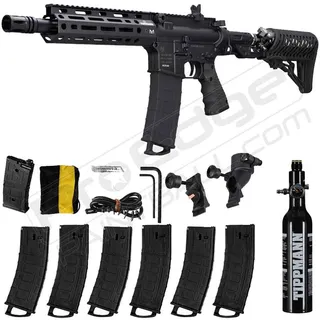
Electronic blowbacks with selectable firing modes. The cheapest way to try an electronic trigger.
Best for: Rec players stepping up from a rental.
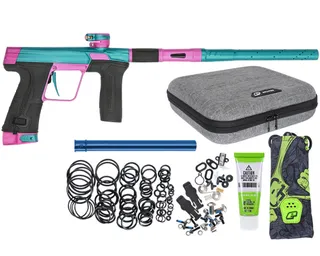
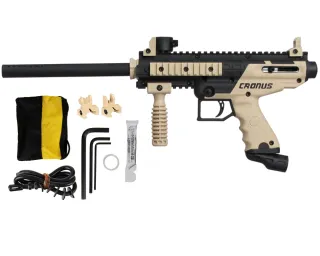
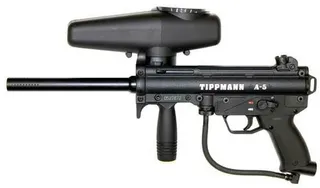
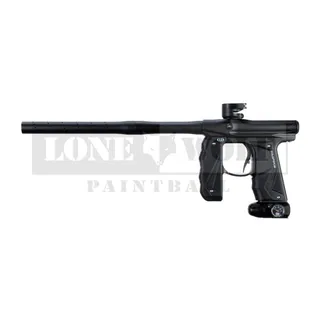
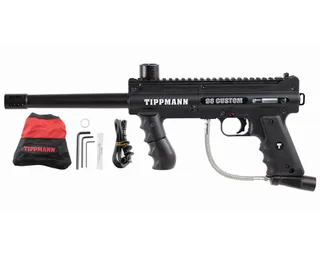
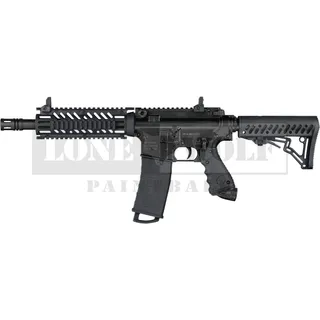
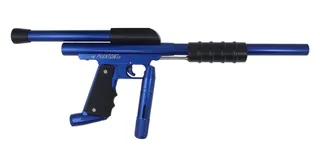

Electronic paintball guns, properly called electropneumatic markers, replace the purely mechanical trigger linkage with a circuit board and a solenoid, and that single change transforms how a marker shoots. Instead of your finger physically driving the firing sequence, a light electronic switch tells a board to fire a precisely timed pneumatic cycle. The result is a faster, smoother, quieter trigger pull with dramatically less recoil, and it's why electronic markers dominate everything from improving rec play to top-level speedball.
Electronic markers run from about $140 to $1,700. Pick the bracket that matches your budget, then compare the guns inside it.
Electronic blowbacks with selectable firing modes. The cheapest way to try an electronic trigger.
Best for: Rec players stepping up from a rental.

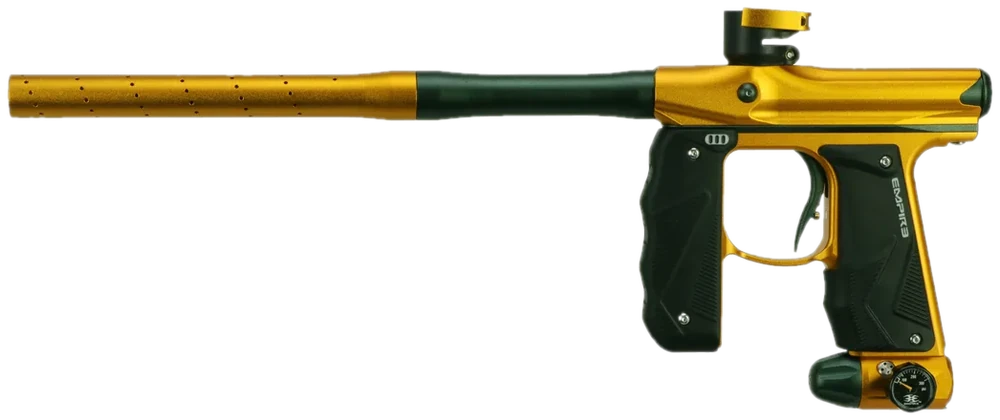
True electropneumatic markers with tool-less bolts and proven drivetrains. Where most players land.
Best for: A first serious electronic gun.

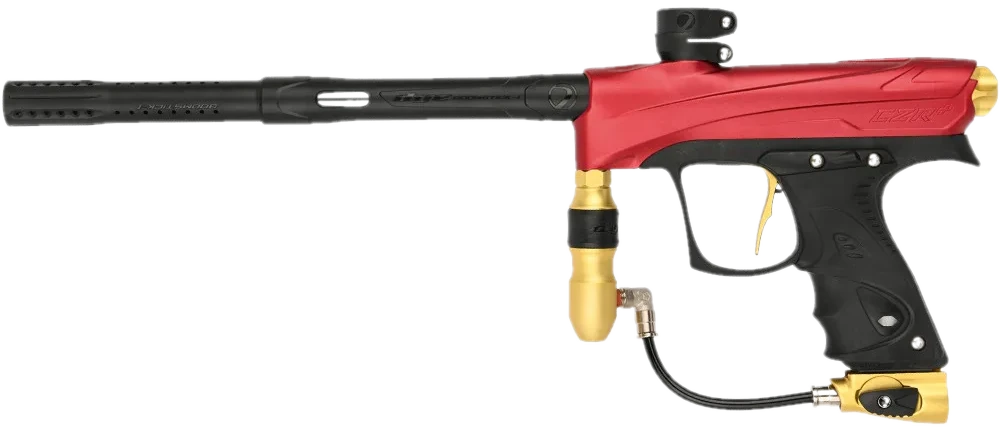
Near-flagship performance from Dye and the Shocker line for a few hundred less than a flagship.
Best for: Competitive players.

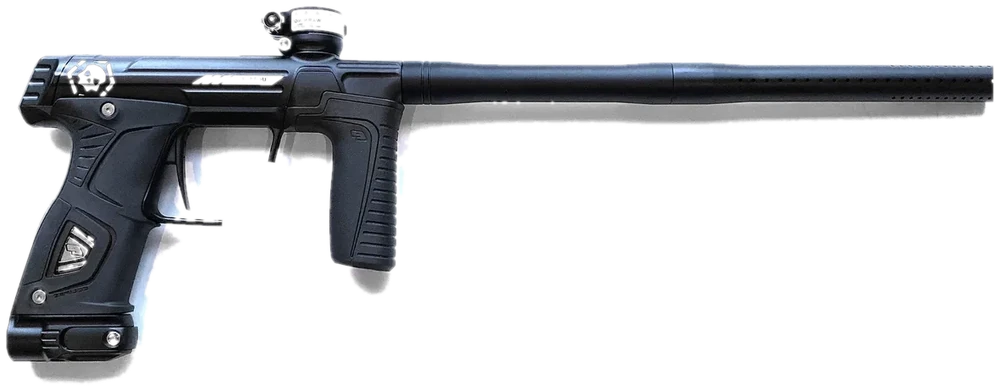
The flagships: CS3, Ego LV2, M3+, Luxe AIRE. Reference-class shot quality and electronics.
Best for: Tournament players and enthusiasts.
Best first electronic gun: Gamma Core drivetrain, refined ergonomics and a metal body option. The reliability benchmark for a first serious electronic gun.
Mid-Range
speedball, woodsball, rec
$380 to 480

Best budget electronic: A light, low-cost electronic gun that lets you try ramping and an electronic trigger without a big spend.
Budget
speedball, rec
$220 to 280

Best value: Hyper3 regulator, UL on/off and a barrel kit at an entry-electronic price. The current sub-$400 value leader.
Mid-Range
speedball, woodsball
$350 to 400

Best for rate of fire: Updated electronics and ergonomics on the Gamma Core spool valve. The top of the mid-tier line with near-flagship feel.
Mid-Range
speedball
$650 to 780

Best for efficiency: A featherweight poppet with a tool-less bolt system and a crisp, efficient shot.
Mid-Range
speedball
$450 to 560

Best compact: One of the best-selling guns ever made: tiny, hoseless and affordable, with the on/off ASA tucked into the grip.
Mid-Range
speedball, woodsball
$280 to 380

The gun that made the Gamma Core spool drivetrain affordable; still one of the most recommended used buys for a first electronic gun.
Mid-RangeDiscontinued
speedball, woodsball, rec
$230 to 330 USED
The current Etha: refined ergonomics and an available metal body, carrying the Gamma Core drivetrain that defines low-maintenance reliability.
Mid-Range
speedball, woodsball, rec
$380 to 480

The first Gtek to carry the Gamma Core, delivering near-flagship performance at a mid price; a strong used pickup.
Mid-RangeDiscontinued
speedball
$300 to 420 USED

A mid-priced gun engineered to feel like a high-end gun, with the Gamma Core spool valve and blade-styled body.
Mid-Range
speedball
$560 to 680
The latest Gtek refinement with updated electronics and ergonomics, the top of the mid-tier Gamma Core line.
Mid-Range
speedball
$650 to 780

A lightweight, hoseless poppet gun prized for a crisp shot and low operating pressure at an accessible price.
Mid-Range
speedball, woodsball
$350 to 450
The upgraded Axe with a tool-less bolt system and refined frame for tournament players who want a featherweight poppet.
Mid-Range
speedball
$450 to 560
One of paintball's all-time best-selling guns: tiny, hoseless and affordable, with an on/off ASA tucked into the grip.
Mid-Range
speedball, woodsball
$280 to 380

Dye's value workhorse: a poppet gun with a generous kit (barrel, on/off) that delivered Dye build quality at a mid price.
Mid-RangeDiscontinued
speedball, woodsball
$250 to 360 USED
The current sub-$400 value leader: premium-feeling features (Hyper3 reg, UL on/off, barrel kit) at an entry-electronic price.
Mid-Range
speedball, woodsball
$350 to 400

A loaded Rize variant bundled with extra performance parts, common as a used value buy.
Mid-RangeDiscontinued
speedball, woodsball
$260 to 360 USED
A lightweight, low-cost electronic gun that lets players try ramping and an electronic trigger without a big spend.
Budget
speedball, rec
$220 to 280
A budget electronic blowback with selectable firing modes, sitting between mechanical entry guns and true poppet guns.
Budget
rec, woodsball
$140 to 190

An HK Army 'Edit' of the Planet Eclipse Etha 3: identical Gamma Core internals with custom colorways and milling.
Mid-Range
speedball
$400 to 500
Widely cited as the best all-around gun in the sport: the Gamma Core flagship with hoseless construction, modular Bluetooth electronics and the S63 barrel system.
Premium
speedball
$1,400 to 1,600

The previous-generation Gamma Core flagship, still a top-tier tournament gun and a strong premium used buy.
PremiumDiscontinued
speedball
$650 to 950 USED

An 18-year flagship lineage: the LV2 runs the Cure FT bolt at an ultra-low ~115 psi for one of the quietest, smoothest shots in paintball.
Premium
speedball
$1,500 to 1,700

The final LV1-series Ego, a benchmark tournament gun still highly sought used.
PremiumDiscontinued
speedball
$650 to 850 USED

A mechanical-frame LV-series gun: flagship body and barrel with a non-electronic trigger for mech-class events and purists.
Premium
speedball, Mechanical
$900 to 1,100

Dye's flagship DM-platform gun with MOSair Bluetooth electronics, a precision spool drivetrain and the signature Dye trigger feel.
Premium
speedball
$1,400 to 1,600

The prior DM flagship, still a top-tier used buy with the same precision feel as the M3+ minus the latest electronics.
PremiumDiscontinued
speedball
$550 to 850 USED

A flagship-adjacent gun positioned just below the M-series, offering Dye's drivetrain and trigger at a slightly lower price point.
High-End
speedball
$850 to 1,000

A previous Luxe flagship famous for its wireless electronics, tool-less serviceable breech/reg/trigger and gold-plated connections.
PremiumDiscontinued
speedball
$650 to 1,000 USED

The newest and most advanced Luxe, built around the PRIMER CORE bolt and a sealed-breech architecture for smoother, more efficient shots.
Premium
speedball
$1,500 to 1,700

A re-imagined flagship from Inception Designs/Field One featuring the decoupled OP Core drivetrain, sub-100 psi operation and the S63 Pro barrel.
Premium
speedball
$1,400 to 1,600
A modern revival of the iconic Shocker line: a tool-less spool gun with a smooth shot and a strong value-to-flagship ratio.
High-End
speedball
$850 to 1,000

An Australian-built flagship known for cleanly tuned electronics and a precise, efficient spool drivetrain.
Premium
speedball
$1,100 to 1,300

Hand-built custom Autocockers: the pinnacle of the classic timing-based platform, configurable as semi or pump for collectors and mech-class players.
Premium
speedball, Mechanical, Pump
$900 to 2,000

A trimmed-down, lower-cost Etha variant that keeps the Gamma Core drivetrain while shedding features to hit a lower price.
Mid-Range
rec, speedball
$300 to 360

A versatile GOG gun with swappable bolt systems (Freeflow/Xtcy) and selectable modes, a flexible mid-tier value pick used.
Mid-RangeDiscontinued
speedball, woodsball
$150 to 260 USED

A lightweight spool-style gun that earned a strong reputation for smooth shooting at an aggressive price.
Mid-RangeDiscontinued
speedball
$180 to 320 USED

A budget-friendly DP gun that offered electronic features and a respectable shot for a low entry price.
BudgetDiscontinued
speedball
$120 to 220 USED

The original compact Empire Mini that launched the tiny-gun craze; the predecessor to the GS, still common used.
Mid-RangeDiscontinued
speedball, woodsball
$150 to 250 USED

The Invert Mini that preceded the Empire Mini line, historically important as the gun that proved compact hoseless designs could compete.
Mid-RangeLegacy
speedball, woodsball
$120 to 220 USED

Dye's value sub-brand spool gun that gave many players their first taste of a smooth, efficient spool shot.
Mid-RangeLegacy
speedball
$120 to 240 USED

A budget electronic gun with selectable modes, positioned for players upgrading from a basic mechanical.
Budget
rec, woodsball
$140 to 200

A previous PE flagship line on the Gamma Core drivetrain, still a top-tier used buy with hallmark reliability.
PremiumDiscontinued
speedball
$500 to 750 USED

A compact Gamma Core gun bridging the Geo and CS lines, beloved for its small profile and reliability.
PremiumDiscontinued
speedball
$500 to 700 USED

A celebrated generation of the DM platform, still highly regarded and sought after on the used market.
PremiumDiscontinued
speedball
$400 to 650 USED

A later Shocker generation with refined electronics and a smooth spool shot, a strong premium used option.
High-EndDiscontinued
speedball
$300 to 500 USED

A high-end gun from the legendary Bob Long lineage, prized by collectors for its build and historical pedigree.
High-EndLegacy
speedball
$300 to 700 USED

Empire's flagship tournament gun with refined electronics and a smooth poppet shot, a premium used option.
High-EndDiscontinued
speedball
$300 to 500 USED

A flagship Luxe generation famous for its tournament pedigree and tool-less serviceability, a sought-after premium used buy.
PremiumDiscontinued
speedball
$450 to 750 USED

A respected MacDev flagship known for clean electronics and efficient shooting, popular among enthusiasts.
High-EndDiscontinued
speedball
$350 to 600 USED

A GOG spool gun with tool-less maintenance and a smooth shot, a solid mid-tier value still found used.
Mid-RangeDiscontinued
speedball, woodsball
$180 to 300 USED

The original Empire Axe that established the lightweight hoseless-poppet formula later refined in the 2.0 and Pro.
Mid-RangeDiscontinued
speedball, woodsball
$150 to 260 USED

The original LV1 that introduced the low-pressure Gamma Core Ego, a landmark flagship still respected used.
PremiumLegacy
speedball
$450 to 650 USED

A Dye flagship variant with a focus on a refined, efficient spool shot, a premium used option below the DM line price.
High-EndDiscontinued
speedball
$350 to 550 USED

A boutique mechanical/spool gun from Inception Designs, blending custom machining with modern internals for enthusiasts.
Premium
speedball, Mechanical
$900 to 1,500
Entry electros bring board-driven firing to a modest budget, offering a smoother, faster trigger than a mechanical gun without the cost of a tournament platform. They typically run on HPA, accept selectable firing modes, and use widely available parts. They're an excellent first step up for a rec player who has outgrown a blowback marker.
Spool-valve designs are prized for an exceptionally smooth, low-kick shot and simple, tool-friendly maintenance. They trade a touch of air efficiency for refinement and quietness, which many players happily accept. They are a popular choice across mid-tier and tournament guns alike.
Top-tier electros are engineered for competitive speedball: blistering rates of fire, minimal recoil, outstanding efficiency, and rock-solid consistency. They reward a quality air system and careful tuning, and they carry a premium price to match their performance.
Electronic paintball markers arrived in the late 1990s and early 2000s and changed the sport almost overnight. By replacing the mechanical sear-and-hammer linkage with a board-controlled solenoid, designers freed the trigger from the heavy work of cocking the marker. Suddenly a feather-light tap could fire the gun, and rates of fire that mechanical triggers could never sustain became routine. The competitive scene reorganized itself around these guns, and the technology steadily trickled down into affordable entry electros that bring the same smooth, fast trigger to rec players.
At the heart of every electropneumatic marker is the relationship between the board, the solenoid, and the pneumatics. When you trip the trigger switch, the board fires the solenoid, which pilots air to drive the bolt forward and back through a single cycle. Because the board governs timing, manufacturers can offer programmable dwell, debounce, and firing modes, letting a player fine-tune how the gun responds. This programmability is a defining advantage of electronic guns and the reason firmware and board settings matter as much as the hardware.
Two broad valve architectures dominate. Spool-valve markers use a moving bolt assembly sealed by o-rings and are loved for an exceptionally smooth, quiet, low-kick shot and straightforward, tool-friendly maintenance, at the cost of a little efficiency. Poppet-valve designs use a hammer to strike a valve and are renowned for outstanding air efficiency and a crisp, snappy shot, though they reward a more attentive maintenance routine. Neither is strictly better; the right choice depends on whether you prioritize refinement and simplicity or efficiency and that classic competitive feel.
Air is non-negotiable for these guns. Compressed HPA delivers the stable, consistent pressure that boards and solenoids depend on, across temperature swings and rapid fire alike. CO2 changes from liquid to gas unpredictably and can introduce inconsistency or even damage electronic internals, which is why HPA is the universal standard for electro markers. A quality regulator, a reliable on/off ASA, and good fittings ensure the gun shoots the same on the last shot of the day as the first, and they have a direct effect on both efficiency and consistency.
The loader is the other half of the firing equation. An electronic marker can outrun a simple gravity hopper in an instant, leaving the breech empty and causing chops, so most electro owners run an agitating or force-fed loader that can match the gun's output. Thinking in terms of a complete system, marker, regulator, air, and loader, is the difference between a gun that performs to its potential and one that's perpetually starved for paint. A fast trigger is only as good as the feed behind it.
Maintenance for an electro is genuinely manageable, but it rewards consistency. Keep the bolt and its o-rings clean and lightly lubricated with paintball-safe oil on the manufacturer's schedule, replace seals and detents before they fail rather than after, and keep the battery charged or carry a spare. Most modern electros feature tool-less or near tool-less bolt removal so you can clear a chop and re-enter a game in seconds. A small field kit with spare o-rings, a barrel swab, and the gun's tools handles the vast majority of issues.
When you're ready to buy, weigh the trigger feel, firing modes, efficiency, maintenance routine, and parts support against how you actually play and the rules you play under. Remember that fields and leagues cap rate of fire, so the everyday benefits, smoothness, low recoil, and efficiency, usually matter more than a headline number. Use the comparison table and the type breakdowns above to narrow the field, then open the individual gun resource pages from the grid for the verified specifications and pricing guidance that will settle your decision.
 Tournament Paintball Guns. High-end electropneumatic markers tuned for competitive speedball.Mechanical Paintball Guns. Tough, simple blowback markers. The backbone of rec and beginner play.Best Electronic Paintball Guns. Smooth, fast electropneumatic picks.Best Tournament Paintball Guns. Top competitive markers and what separates them.
 HPA Tanks & Air Systems. Compressed-air tanks and regulators that power your marker consistently shot to shot.
 Paintball Loaders & Hoppers. Gravity, agitating, and force-fed loaders that keep your marker eating paint.Paintball Guns & Markers. Every marker in our database with buying guidance by type, skill, and budget.