Browse guns
Collections
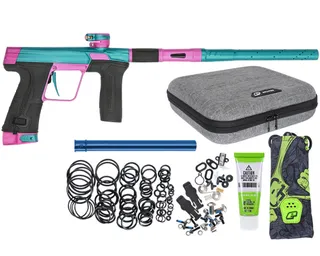
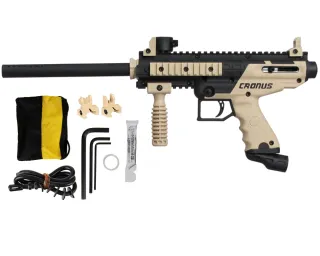
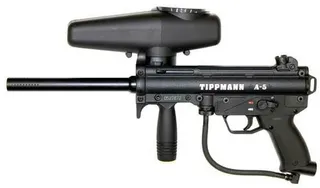













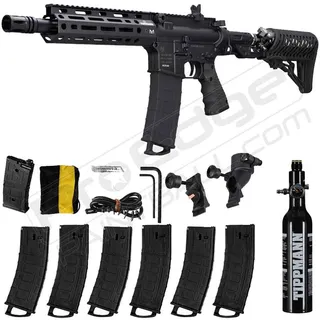
Best Tournament Paintball Guns
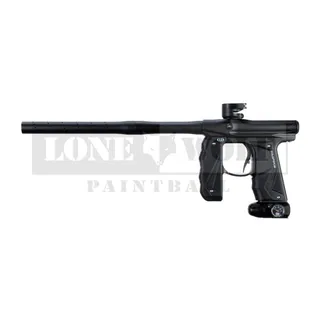
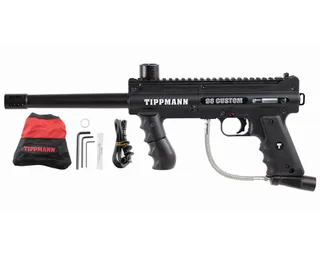
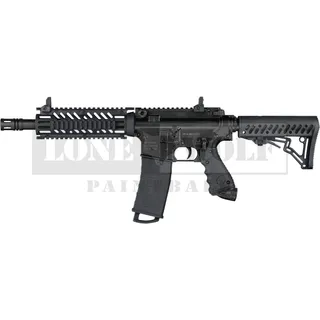
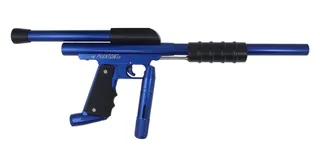
The best tournament paintball guns are high-end electropneumatic markers built to do one job supremely well: deliver a blistering, smooth rate of fire with rock-solid consistency under the pressure of competitive speedball. These are precision instruments rather than rugged workhorses, tuned for low recoil, excellent air efficiency, and the kind of repeatable performance that lets a team trust its loadout point after point. The grid below shows the tournament-grade markers in our database, each with verified specifications on its own resource page.
What separates a true tournament gun from a fast rec marker is the whole package working in concert. Spool-valve and poppet-valve firing engines deliver a soft, quiet shot that's gentle on paint; advanced boards offer multiple firing modes and tuneable dwell and timing; and tool-less bolt systems let a player clear a chop and rejoin the game in seconds. None of this matters without a quality regulator and a stable HPA supply, which is why competitive players think in terms of a complete system rather than a single headline figure.
This guide explains what to prioritise when you're buying at the top end, the mistakes even experienced players make, and how to weigh smoothness, efficiency, and platform support against price. We don't publish invented specifications or pricing. Where a marker's real numbers and pricing guidance exist, you'll find them on that gun's own resource page, reachable from the grid below.
How to Choose the Best Tournament Paintball Gun
What to Look For in the Best Tournament Paintball Guns
- A smooth, low-recoil firing engine (spool or efficient poppet) that's gentle on paint and easy to shoot accurately.
- Excellent air efficiency so a single fill lasts a full point or more without dropping off.
- A capable board with multiple firing modes, adjustable dwell and timing, and reliable eyes.
- Tool-less bolt removal for fast chop clearing between or during points.
- A respected platform with strong aftermarket support, spare parts, and a community that knows it.
- Compatibility with a quality regulator and stable HPA. The foundation of consistency.
- Comfortable ergonomics and balance, since you'll hold it ready for long stretches.
Expert Recommendations for the Best Tournament Paintball Guns
Best for Serious Competitors
A flagship electropneumatic marker with a smooth firing engine, a feature-rich board, and tool-less maintenance is the textbook tournament choice. Pair it with a quality regulator and stable HPA and it will shoot the same on the last point as the first. Browse the tournament markers above to compare real options.
Best Value at the Top End
You don't always need the absolute flagship. Mid-tier tournament markers from respected makers often deliver most of the smoothness and efficiency for noticeably less, with the same parts support. Prioritise consistency and platform backing over headline features.
Best for Efficiency
If long points and minimal air drama matter to you, favour a marker known for efficiency and pair it with a good regulator and a correctly sized HPA bottle. Efficiency translates directly into confidence when a point goes long.
Best Tournament Paintball Guns: Frequently Asked Questions
What makes a paintball gun a tournament gun?
Do I need a tournament gun to play tournaments?
How important is the air system for a tournament marker?
Are spool-valve or poppet-valve markers better for tournaments?
What rate of fire do tournament guns shoot?
How much should I spend on a tournament paintball gun?
How often do tournament markers need maintenance?
Can a beginner use a tournament paintball gun?
Does a more expensive tournament gun shoot harder?
What HPA tank size is best for tournament play?
Should I buy a used tournament marker?
Everything You Need to Know About the Best Tournament Paintball Guns
Tournament paintball is a fast, demanding discipline played on symmetrical inflatable fields where points are decided in seconds and equipment failure can end a game before it starts. The markers built for it have evolved into some of the most refined pieces of equipment in the sport, prioritising a soft, consistent shot and effortless maintenance over the brute toughness that defines woodsball guns. Understanding what that refinement buys you, and what it demands in return, is the key to spending well at the top end.
At the heart of every tournament marker is its firing engine. Spool-valve designs move a single bolt assembly back and forth and are prized for a smooth, quiet, low-kick shot, though they can ask a little more of your air. Poppet-valve designs can be exceptionally efficient and crisp, with a slightly more pronounced shot. Neither is universally 'better'; the right one is the one whose feel you prefer and whose platform you can support with spares and knowledge. The board controlling that engine adds firing modes, adjustable timing, and eye systems that prevent chopping paint.
Air is the half of the system newcomers underestimate. A flagship body is only as consistent as the pressure feeding it, which is why competitive players invest in quality regulators and reliable HPA bottles. Stable, repeatable output is what lets a marker shoot the same velocity and feel on the last shot of a long point as the first, and it's the single biggest factor in whether expensive paint survives the trip down the barrel. Skimp here and even the best gun will break balls and drift in velocity.
Maintenance culture is part of tournament paintball. The tight tolerances that make these markers smooth also mean they reward a steady routine: clean the eyes so they read paint reliably, inspect and lubricate o-rings, and replace seals proactively rather than waiting for a failure mid-match. Tool-less bolt systems exist precisely because clearing a chopped ball quickly can be the difference between staying in a point and walking off the field. A pre-event tune and a small field kit are standard practice, not luxuries.
Paint and barrel matching deserve as much attention as the marker. Tournament-grade paint is rounder, more consistent, and more brittle than recreational paint so it breaks cleanly on target, but it also demands a clean barrel and a good bore match to avoid breaks in the breech. The interplay between paint, barrel bore, and air consistency often determines real-world accuracy far more than any difference between two flagship bodies, which is why experienced players obsess over the whole chain.
Value at the top end is not about buying the most expensive thing. Mid-tier markers from respected manufacturers frequently deliver the great majority of a flagship's smoothness and efficiency for meaningfully less money, with the same access to spares and the same community knowledge. The smartest spend is usually a strong-but-not-flagship body paired with an excellent regulator and air system, leaving room in the budget for good paint and maintenance.
When you're ready to choose, think in systems and be honest about your level of commitment. Decide on the firing feel you want, ensure the platform has the parts support and community you can lean on, and build the air system to match before you fixate on a body. Use the comparison above to narrow the field, then follow through to the individual gun resource pages in the grid for the verified specifications and pricing guidance that will finalise your decision.
Related Categories
- Tournament Paintball Guns. The full tournament category with buying guidance and real competitive markers.
- Best Electronic Paintball Guns. Smooth, fast electropneumatic picks.
- Electronic Paintball Guns. Board-driven electropneumatic markers for higher, smoother rates of fire.
- HPA Tanks & Air Systems. Compressed-air tanks and regulators that power your marker consistently shot to shot.
- Paintball Barrels. Barrel bore sizing, length, and porting and how they affect efficiency and sound.
- Paintballs. How paint grade, fill, and shell brittleness affect accuracy and barrel matching.
- Dye Paintball Guns. Browse Dye markers in our database with specs and pricing guidance.