













High-end
Flagship drivetrains and triggers positioned a step below the top model. The DSR+ and Shocker AMP live here.
Best for: Competitive players who want flagship feel for less.
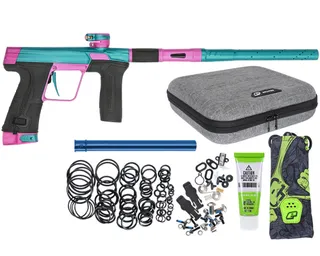
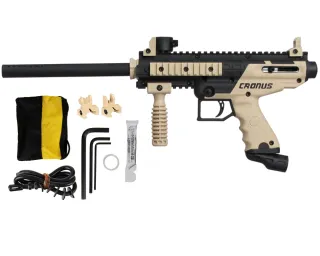
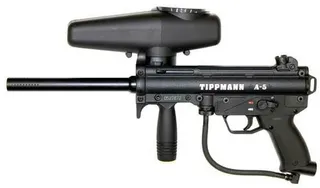
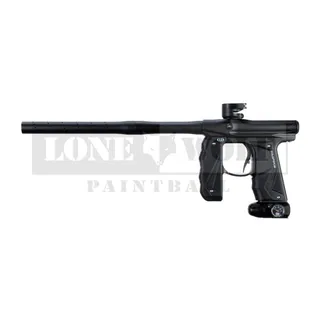
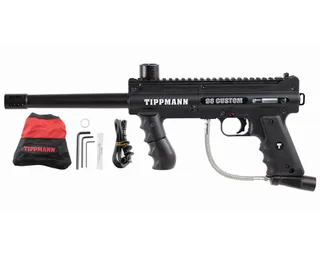
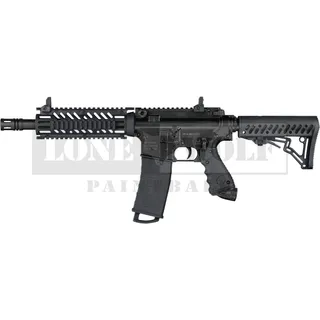
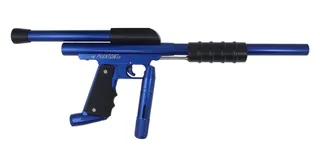

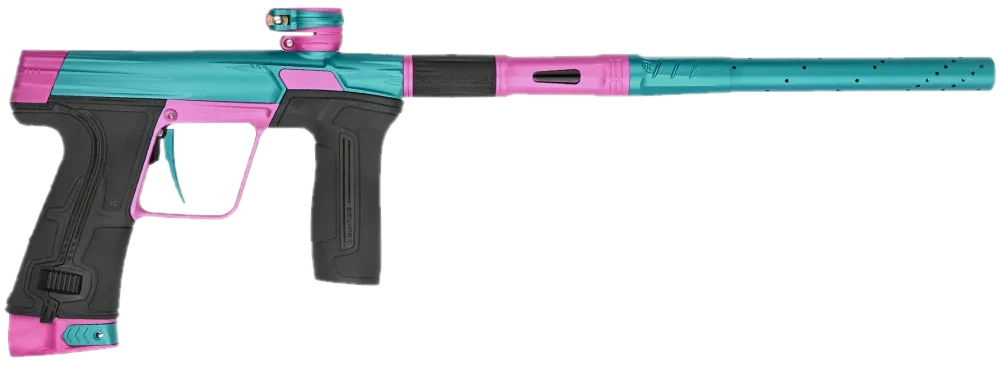
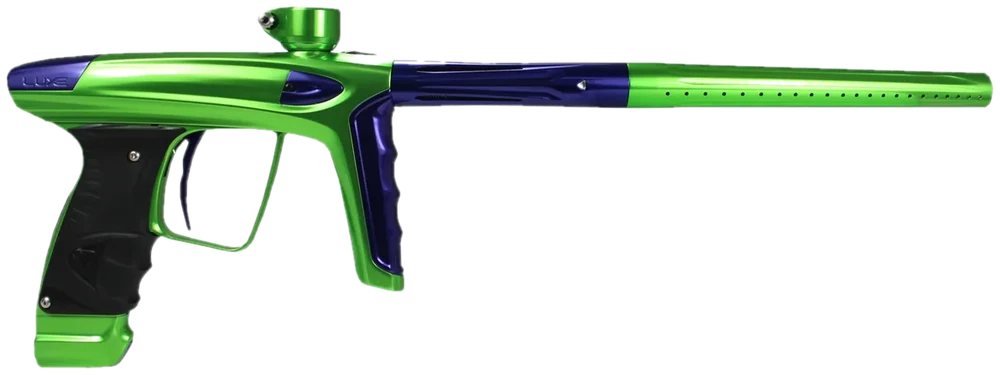
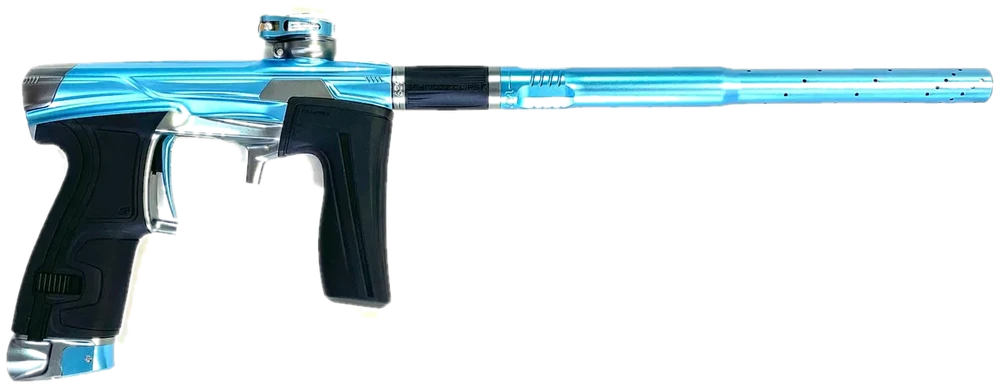
Tournament paintball guns are the sharp end of the sport. High-end electropneumatic markers engineered for the relentless demands of competitive speedball. Everything about them is tuned for performance: blistering, ultra-smooth rates of fire, minimal recoil, outstanding air efficiency, and the kind of shot-to-shot consistency that holds up when a match is on the line. They are light, refined, and unforgiving of a poor air system, and they carry a price tag to match their pedigree.
Tournament markers split into new flagships, near-flagship high-end guns, and last-generation flagships that are strong used buys.
Flagship drivetrains and triggers positioned a step below the top model. The DSR+ and Shocker AMP live here.
Best for: Competitive players who want flagship feel for less.

Current flagships from Planet Eclipse, Dye, DLX, Field One and MacDev. The reference class.
Best for: Pro and serious tournament players.

Previous-generation flagships that still compete at the top level, at a fraction of new price. We track used pricing on each.
Best for: Value-minded competitive players.

Landmark guns like the original Ego LV1 and the Marq. Collected as much as played.
Best for: Collectors and nostalgic players.
Best all-around tournament gun: Widely cited as the best all-around gun in the sport: hoseless build, modular Bluetooth electronics and the S63 barrel system.
Premium
speedball
$1,400 to 1,600

Best for smoothness: The Cure FT bolt runs at roughly 115 psi for one of the quietest, smoothest shots in paintball.
Premium
speedball
$1,500 to 1,700

Best for efficiency: The decoupled OP Core drivetrain runs under 100 psi, with a highly tunable trigger and the S63 Pro barrel.
Premium
speedball
$1,400 to 1,600

Best high-end value: A modern revival of the Shocker line: tool-less spool gun, smooth shot and a strong value-to-flagship ratio.
High-End
speedball
$850 to 1,000
Best Dye trigger for less: Dye's drivetrain and signature trigger feel positioned just below the M-series price.
High-End
speedball
$850 to 1,000
Best used flagship: The prior DM flagship with the same precision feel as the M3+ minus the latest electronics, at used prices.
PremiumDiscontinued
speedball
$550 to 850 USED
Widely cited as the best all-around gun in the sport: the Gamma Core flagship with hoseless construction, modular Bluetooth electronics and the S63 barrel system.
Premium
speedball
$1,400 to 1,600

The previous-generation Gamma Core flagship, still a top-tier tournament gun and a strong premium used buy.
PremiumDiscontinued
speedball
$650 to 950 USED
An 18-year flagship lineage: the LV2 runs the Cure FT bolt at an ultra-low ~115 psi for one of the quietest, smoothest shots in paintball.
Premium
speedball
$1,500 to 1,700

The final LV1-series Ego, a benchmark tournament gun still highly sought used.
PremiumDiscontinued
speedball
$650 to 850 USED

A mechanical-frame LV-series gun: flagship body and barrel with a non-electronic trigger for mech-class events and purists.
Premium
speedball, Mechanical
$900 to 1,100

Dye's flagship DM-platform gun with MOSair Bluetooth electronics, a precision spool drivetrain and the signature Dye trigger feel.
Premium
speedball
$1,400 to 1,600
The prior DM flagship, still a top-tier used buy with the same precision feel as the M3+ minus the latest electronics.
PremiumDiscontinued
speedball
$550 to 850 USED
A flagship-adjacent gun positioned just below the M-series, offering Dye's drivetrain and trigger at a slightly lower price point.
High-End
speedball
$850 to 1,000

A previous Luxe flagship famous for its wireless electronics, tool-less serviceable breech/reg/trigger and gold-plated connections.
PremiumDiscontinued
speedball
$650 to 1,000 USED

The newest and most advanced Luxe, built around the PRIMER CORE bolt and a sealed-breech architecture for smoother, more efficient shots.
Premium
speedball
$1,500 to 1,700
A re-imagined flagship from Inception Designs/Field One featuring the decoupled OP Core drivetrain, sub-100 psi operation and the S63 Pro barrel.
Premium
speedball
$1,400 to 1,600
A modern revival of the iconic Shocker line: a tool-less spool gun with a smooth shot and a strong value-to-flagship ratio.
High-End
speedball
$850 to 1,000

An Australian-built flagship known for cleanly tuned electronics and a precise, efficient spool drivetrain.
Premium
speedball
$1,100 to 1,300

Hand-built custom Autocockers: the pinnacle of the classic timing-based platform, configurable as semi or pump for collectors and mech-class players.
Premium
speedball, Mechanical, Pump
$900 to 2,000

A previous PE flagship line on the Gamma Core drivetrain, still a top-tier used buy with hallmark reliability.
PremiumDiscontinued
speedball
$500 to 750 USED

A compact Gamma Core gun bridging the Geo and CS lines, beloved for its small profile and reliability.
PremiumDiscontinued
speedball
$500 to 700 USED

A celebrated generation of the DM platform, still highly regarded and sought after on the used market.
PremiumDiscontinued
speedball
$400 to 650 USED

A later Shocker generation with refined electronics and a smooth spool shot, a strong premium used option.
High-EndDiscontinued
speedball
$300 to 500 USED

A high-end gun from the legendary Bob Long lineage, prized by collectors for its build and historical pedigree.
High-EndLegacy
speedball
$300 to 700 USED

Empire's flagship tournament gun with refined electronics and a smooth poppet shot, a premium used option.
High-EndDiscontinued
speedball
$300 to 500 USED

A flagship Luxe generation famous for its tournament pedigree and tool-less serviceability, a sought-after premium used buy.
PremiumDiscontinued
speedball
$450 to 750 USED

A respected MacDev flagship known for clean electronics and efficient shooting, popular among enthusiasts.
High-EndDiscontinued
speedball
$350 to 600 USED
The original LV1 that introduced the low-pressure Gamma Core Ego, a landmark flagship still respected used.
PremiumLegacy
speedball
$450 to 650 USED

A Dye flagship variant with a focus on a refined, efficient spool shot, a premium used option below the DM line price.
High-EndDiscontinued
speedball
$350 to 550 USED

A boutique mechanical/spool gun from Inception Designs, blending custom machining with modern internals for enthusiasts.
Premium
speedball, Mechanical
$900 to 1,500
Spool-valve tournament guns are loved for an exceptionally smooth, quiet, low-kick shot and simple, tool-friendly maintenance. They give up a little efficiency for refinement, a trade many competitors happily make for the feel and the easy upkeep between points.
Poppet-valve designs are renowned for outstanding air efficiency and a crisp, snappy shot that many competitive players prefer. They reward a more attentive maintenance routine and a quality air system, delivering the classic high-performance feel that defines top-level speedball.
Tournament paintball guns represent the cutting edge of marker design, shaped by decades of competitive speedball pushing manufacturers to refine every detail. When electropneumatic technology arrived, it transformed the competitive scene by unlocking rates of fire and smoothness that mechanical markers could never reach. Ever since, the demands of professional and amateur leagues have driven a relentless pursuit of lighter weight, lower recoil, better efficiency, and unwavering consistency. The qualities that separate a marker built to win from one merely built to shoot fast.
Consistency is the defining obsession of tournament marker design. In a competitive match, a gun that fires identically shot after shot, the same velocity, the same feel, the same response, lets a player trust their equipment completely and focus on the game. This is why league rules cap rate of fire and why top players obsess over their regulators and air systems: the headline number matters far less than the assurance that the last shot of a point behaves exactly like the first. A tournament gun is engineered around that promise.
Two valve architectures dominate the top tier. Spool-valve markers use an o-ring-sealed bolt assembly to deliver an exceptionally smooth, quiet, low-kick shot with simple, tool-friendly maintenance, sacrificing a little efficiency in return. Poppet-valve designs strike a valve with a hammer to achieve outstanding air efficiency and a crisp, snappy shot, asking for a more attentive maintenance routine. Both are campaigned successfully at the highest levels, and the choice between them is genuinely a matter of feel and priorities rather than one being objectively superior.
No tournament marker performs in isolation. It's the centerpiece of a tightly integrated system. A premium regulator and stable HPA supply the clean, consistent pressure the board and solenoid depend on, while a fast force-fed loader keeps the breech fed at the rates these guns can sustain. A quality barrel matched to your paint completes the picture. Skimp on any link in that chain and you hobble an expensive marker; invest across the system and a tournament gun rewards you with the reliability and consistency it was built to deliver.
Tunability and platform support are what keep a tournament marker competitive over time. Adjustable triggers, programmable boards with selectable firing modes, and tunable regulators let a player dial the gun to league rules and personal preference. Just as important is the ecosystem around the platform: active team support, readily available bolts and o-rings, firmware updates, and a community of players who know the gun inside out. The most successful tournament markers combine excellent hardware with that deep, ongoing support.
Maintenance is non-negotiable at this level, but modern designs make it manageable. Keep the bolt and o-rings clean and lubricated on the manufacturer's schedule, replace seals and detents before they fail, maintain the regulator, and keep the battery charged or carry a spare. Tool-less bolt removal, now standard on serious tournament guns, lets a player clear a chop and rejoin a point in seconds. A disciplined routine is what keeps a high-performance marker shooting consistently across a long event day.
When you're ready to invest, weigh consistency, recoil, efficiency, ergonomics, and platform support against your genuine level of commitment, and remember that league caps make smoothness and reliability matter more than raw speed. Use the comparison table and type breakdowns above to narrow your shortlist, then open the individual gun resource pages from the grid for the verified specifications and pricing guidance that will settle your decision and get you on the field with a marker you can trust.
 Electronic Paintball Guns. Board-driven electropneumatic markers for higher, smoother rates of fire.Best Tournament Paintball Guns. Top competitive markers and what separates them.Best Electronic Paintball Guns. Smooth, fast electropneumatic picks.
 HPA Tanks & Air Systems. Compressed-air tanks and regulators that power your marker consistently shot to shot.
 Paintball Loaders & Hoppers. Gravity, agitating, and force-fed loaders that keep your marker eating paint.
 Paintball Barrels. Barrel bore sizing, length, and porting and how they affect efficiency and sound.Paintball Guns & Markers. Every marker in our database with buying guidance by type, skill, and budget.