Browse guns
Collections
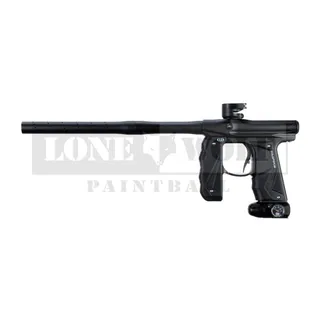
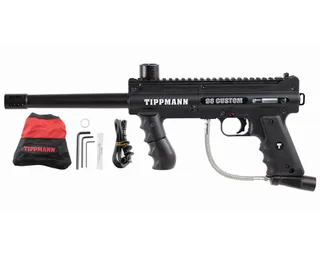
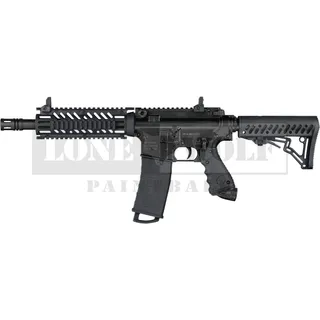
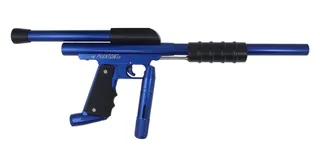










Spyder Paintball Guns
The gun that started it all for so many.
For a huge number of players, paintball began with a Spyder. Made by the Kingman Group, the Spyder is one of the most iconic affordable entry-level blowback guns the sport has ever seen, and for many years it effectively defined what a beginner's gun was. Inexpensive, simple, and famously easy to upgrade, it became the gateway gun that introduced a whole generation to paintball, and that role is the heart of its identity.
What follows is the story of how Spyder earned that place: the simple blowback design that made its name, the guns that carried the line across mechanical and electronic play, the aftermarket that grew up around it, and the philosophy of accessibility behind all of it.
The Spyder Story
The blowback formula - An affordable semi-auto for everyone
Spyder built its name on simple, inexpensive blowback mechanical guns that ran on HPA or CO2, stripped down with basic tools, and used common, cheap parts. That recipe made the brand a fixture at rental counters and a default first-gun recommendation, putting a capable semi-automatic into the hands of countless new players.
The mechanical range - Victor, Xtra and Sonix
Guns like the Victor, Xtra, and Sonix carried the core Spyder formula across the lineup, offering tough, forgiving blowback semi-autos at accessible prices. These were the kind of guns a beginner could buy, learn on, and keep running without a painful outlay, and they cemented Spyder's value reputation.
Electronic blowbacks - Pilot and Electra
The Pilot and Electra extended the line into electronic blowbacks, adding board-driven firing to the familiar Spyder platform. They gave players a step up in capability while keeping the brand's accessible, easy-to-own character, broadening what a Spyder gun could be.
Wider lineup - Fenix and Hammer 7
Spyder kept growing the range with guns such as the Fenix and the Hammer 7 pump, covering more styles of play under the same value-first banner. The brand's strength was always breadth at the affordable end, giving newcomers options without pushing them toward expensive equipment.
Milsim and beyond - The MR and VS series
The MR series, including the MR1, MR2, and MR3, brought a milsim flavour to the Spyder lineup, while the VS series added further choice for players. These guns stretched the brand into tactical territory while keeping the accessibility that always defined it.
How Spyder thinks about a gun
Spyder is built on affordability and accessibility. The whole point of the brand is a simple blowback platform anyone can own, run, and maintain without specialist knowledge or a big budget. Guns that are forgiving of mistakes, cheap to keep going, and easy to learn on are exactly what make Spyder the gateway into the sport for so many players.
The second pillar is upgradeability through a vast aftermarket. Because the Spyder platform is so widely known, an enormous range of barrels, triggers, and upgrade parts grew up around it, letting owners tinker, improve, and personalise their guns over time. That blend of low entry cost and room to grow is the essence of the Spyder appeal.
What Players Say About Spyder Paintball Guns
Player and community discussion about Spyder Paintball Guns is summarised on the live page.
How to Choose a Spyder Paintball Gun
What to Look For in Spyder Paintball Guns
- A simple, rugged blowback mechanical design that tolerates beginner mistakes.
- Compatibility with both HPA and CO2 so you can use whatever your field offers.
- Common, inexpensive o-rings and seals that are easy to source and replace.
- Simple field-stripping with minimal or basic tools.
- Aftermarket support. Spyder platforms have a large catalogue of upgrade parts.
- A price that leaves budget for a quality mask, tank, and loader.
- Whether you want a pure mechanical marker or one of the entry electro options.
Expert Recommendations for Spyder Paintball Guns
Best for First-Time Buyers
A simple Spyder mechanical marker is one of the most forgiving and affordable first guns in paintball. It tolerates beginner mistakes, uses cheap common parts, and leaves plenty of budget for the mask and air you genuinely can't cut corners on.
Best for Casual Rec Play
For knockabout rec days and occasional play, a Spyder is hard to beat on value. It's tough enough to survive casual abuse, cheap to run, and simple to maintain, which makes it an easy marker to own without much fuss.
Best for Tinkerers on a Budget
Spyder's huge aftermarket makes it a great platform for players who enjoy upgrading and customising on a budget. Barrels, triggers, and internal parts are plentiful and affordable, so you can personalise the marker as your interest grows.
Spyder Paintball Guns: Frequently Asked Questions
Are Spyder paintball guns good for beginners?
What is Spyder paintball known for?
Do Spyder paintball guns use HPA or CO2?
Are Spyder markers good value?
Can you upgrade a Spyder paintball gun?
Are Spyder paintball guns good for tournaments?
Are Spyder paintball guns easy to maintain?
Does Spyder make electronic paintball guns?
How long do Spyder paintball guns last?
Is Spyder a good first paintball gun?
Everything You Need to Know About Spyder Paintball Guns
Spyder holds a special place in paintball history as one of the brands that made the sport accessible to ordinary players. Before affordable, capable semi-automatic markers became widespread, getting into paintball meant a significant outlay; Spyder helped change that by offering simple blowback mechanical guns at prices that didn't require a serious commitment. For a generation of players, a Spyder was the marker that started it all, and that legacy underpins the brand's enduring name recognition.
The brand's identity is built on classic mechanical markers: straightforward blowback semi-autos that run on HPA or CO2, strip down with basic tools, and rely on common, inexpensive parts. That recipe made Spyder a natural fit for rental counters and a default beginner recommendation for many years. It also fostered one of the largest aftermarkets in the sport. Barrels, triggers, and internal upgrade parts for Spyder platforms are plentiful and affordable, which keeps the markers easy to maintain and fun to personalise. The detailed specifications for each model live on its own resource page.
Value and accessibility remain Spyder's core strengths. The range centres on affordable mechanical markers that forgive beginner mistakes and are cheap to keep running, with some entry-level electro options extending the line for players who want faster shooting. This focus means Spyder isn't aimed at the tournament crowd, and it has never needed to be. Its job is to get new players into the sport affordably and keep them shooting, and it does that as well as any brand in paintball.
Air flexibility is part of the appeal. Many Spyder mechanical markers run on either HPA or CO2, letting players use whatever their local field offers. HPA delivers more consistent performance across temperatures and is the better choice for cold-weather play, while CO2 keeps running costs low for casual players. As with every marker, the precise air requirements for a given model belong on its resource page rather than being generalised here.
Maintenance could hardly be simpler. Spyder's mechanical markers field-strip with basic tools, their o-rings and seals are cheap and widely stocked, and a small field kit covers most issues that could otherwise interrupt a day's play. This simplicity is a big part of why Spyder markers last so well in casual and rec use. There's very little to go wrong, and what does is easy and inexpensive to put right.
Deciding whether a Spyder is right for you comes down to honesty about your goals. If you're chasing competitive speedball and very high rates of fire, a dedicated electropneumatic marker will serve you better. But if you want an affordable, tough, simple first gun, a knockabout marker for casual rec days, or a budget platform you can tinker with and upgrade over time, Spyder is an excellent and proven choice. Use the grid above to browse the specific Spyder markers in our database, then dig into each gun's resource page for the real specifications and pricing guidance that will finalise your decision.
Related Categories
- Beginner Paintball Guns. Forgiving, affordable first markers with real entry-level options.
- Mechanical Paintball Guns. Tough, simple blowback markers. The backbone of rec and beginner play.
- Best Cheap Paintball Guns. Top value picks when budget is the priority.
- Best Paintball Guns for Beginners. Expert beginner picks, mistakes to avoid, and real entry-level markers.
- Best Paintball Guns Under $200. Capable markers that respect a tight budget.
- Paintball Guns & Markers. Every marker in our database with buying guidance by type, skill, and budget.
Today Spyder remains one of the most important names in paintball history, the brand that put an affordable semi-auto into countless first-timers' hands and built enormous name recognition along the way. Its strength was never the tournament circuit but getting new players into the sport affordably and keeping them shooting, backed by a deep aftermarket.
The guns in our database below are the Spyder platforms we currently track, each with its real specifications and pricing guidance on its own page. We don't publish invented specifications here. Use this story as background, then dive into the individual guns to find the one that fits how you play.