Browse guns
Collections
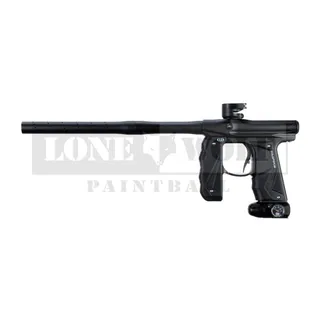
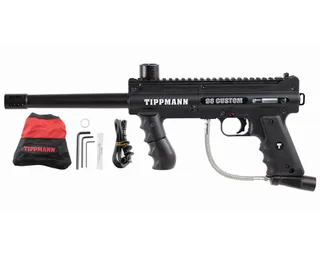
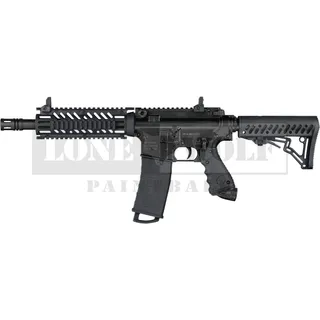
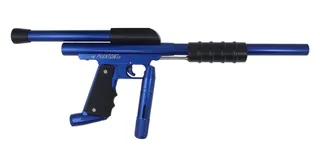











Best Cheap Paintball Guns
The best cheap paintball guns prove that you don't need to spend a fortune to have a brilliant day on the field. Budget markers have come a long way, and the smartest picks are tough, reliable, and easy to maintain. Guns that survive the learning curve and keep running for years. The word 'cheap' only becomes a problem when it means obscure parts or poor build quality, so this guide focuses on genuine value: low total cost of ownership rather than the lowest sticker price.
Almost every great value marker is a simple mechanical (blowback) gun that runs on HPA or CO2, strips down with basic tools, and uses common, inexpensive o-rings. These are the same qualities that make a marker beginner-friendly, which is why budget and entry-level guns overlap so heavily. The advantage of buying smart at the low end is that the money you save goes toward the gear that actually keeps you safe and comfortable. A quality mask, reliable air, and a dependable loader.
This is a guidance page rather than a gun grid, so we'll explain what to prioritise on a budget, the mistakes that turn a cheap gun into an expensive headache, and how to think about value across the whole setup. We don't invent specs or prices. For real markers, follow the links to the beginner, mechanical, and budget-focused pages below.
How to Choose the Best Cheap Paintball Gun
What to Look For in the Best Cheap Paintball Guns
- A simple, rugged mechanical design with no fragile electronics to fail.
- Common, inexpensive o-rings and seals you can source and replace anywhere.
- Compatibility with both HPA and CO2 so you can use whatever your field offers.
- A reputable, popular platform with a track record at rental counters.
- Easy field-stripping with minimal or no tools.
- Low total cost of ownership, air, paint, and parts, not just a low price tag.
- Enough quality left in the budget for a proper thermal mask and reliable loader.
Expert Recommendations for the Best Cheap Paintball Guns
Best Overall Value
A simple, proven mechanical marker from a popular platform is the textbook value pick. Tough, cheap to run, and easy to fix. It delivers nearly everything a new or casual player needs while leaving budget for the gear that matters. Browse the beginner and mechanical gun-type pages for real options.
Best Value Used Buy
Because mechanical markers are durable and simple, a well-maintained used gun from a respected brand can be outstanding value. Inspect the seals, ask about its history, and budget for a fresh o-ring kit. You'll often get more gun per dollar than buying new.
Best Value for Running Costs
True value is lowest total cost over a season, not the lowest price. Favour an efficient marker that sips air and uses cheap, common parts, so every game costs less even if the gun itself isn't the absolute cheapest on the shelf.
Best Cheap Paintball Guns: Frequently Asked Questions
Are cheap paintball guns any good?
What is the best cheap paintball gun?
How much do I really need to spend to start paintball?
Why are some paintball guns so cheap?
Should I buy a cheap new gun or a used better one?
Do cheap paintball guns shoot accurately?
What hidden costs come with a cheap paintball gun?
Can I upgrade a cheap paintball gun later?
Will a cheap gun keep up at the field?
Is CO2 or HPA cheaper for a budget setup?
Everything You Need to Know About the Best Cheap Paintball Guns
Paintball has a reputation as an expensive hobby, but that reputation is mostly out of date when it comes to the marker itself. Modern budget guns are far better than the entry-level options of a generation ago, and a smartly chosen cheap marker can deliver years of dependable service. The key is to redefine 'cheap' as 'best value'. The gun with the lowest total cost over its life, not simply the one with the lowest sticker price.
Value at the low end almost always means a simple mechanical marker. Blowback designs use spring and air pressure alone, with no circuit board, solenoid, or battery to fail, which keeps both the purchase price and the running costs down. Fewer parts means fewer failure points, and the parts that do wear, o-rings and seals, are cheap, common, and easy to replace in the field. This is the same formula that makes a marker beginner-friendly, which is why budget and entry-level guns overlap so heavily.
The trap to avoid is mistaking the absolute cheapest gun for the best value. No-name markers that undercut everything else often cut corners on build quality or rely on proprietary, hard-to-find parts, and a marker you can't service or source spares for is no bargain. Sticking to reputable, popular platforms, the ones fields rent and shops stock, ensures you'll find help, parts, and community knowledge whenever you need them, which is worth far more than saving a few dollars up front.
Total cost of ownership is the concept that separates savvy buyers from the rest. The marker is only one line in the budget: you also need a mask, an air tank, a loader, and a steady supply of paint, plus ongoing costs for fills and the occasional o-ring. An efficient marker that sips air and uses cheap parts can cost less to run over a season than a marker that was cheaper to buy but thirsty and finicky. Always do the maths on the whole setup.
Spending wisely on a budget also means protecting the parts of the kit you should never cut. A quality thermal mask is non-negotiable for safety and comfort, and a reliable loader keeps your gun fed without frustrating jams. The smart move is to choose a great-value marker precisely so there's room in the budget for these essentials, rather than blowing everything on the gun and skimping where it actually matters.
The used market is a budget buyer's best friend. Because mechanical markers are simple and durable, a well-maintained second-hand gun from a respected brand often delivers more capability per dollar than anything new at the same price. Inspect the seals and o-rings, ask about the marker's history and how it was stored, and budget for a fresh o-ring kit so you start with reliable seals. A little diligence turns the used market into genuine value.
When you're ready to buy on a budget, think in systems and prioritise reliability, parts availability, and running costs over flashy features. Decide how you want to play, leave room for the mask and air you can't compromise on, and lean toward proven, popular platforms. This is a guidance page rather than a grid, so use the related links to the under-$200, beginner, and mechanical pages, and the value-focused brand pages, to reach the real markers and verified specifications that fit your budget.
Related Categories
- Best Paintball Guns Under $200. Capable markers that respect a tight budget.
- Beginner Paintball Guns. Forgiving, affordable first markers with real entry-level options.
- Best Paintball Guns for Beginners. Expert beginner picks, mistakes to avoid, and real entry-level markers.
- Mechanical Paintball Guns. Tough, simple blowback markers. The backbone of rec and beginner play.
- Spyder Paintball Guns. Browse Spyder markers in our database with specs and pricing guidance.
- Paintball Masks. Protective goggles and thermal lenses. The one piece of gear you can never skimp on.