Browse guns
Collections
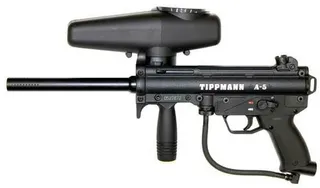
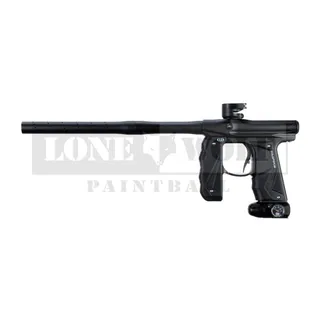
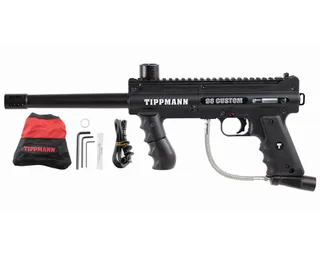
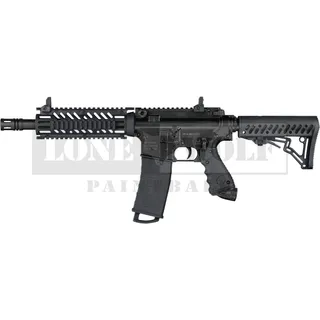
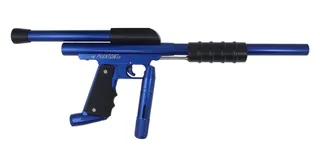













WGP Autococker (classic). Ultimate Guide
The original Autococker: a timing-based platform that defined high-end paintball in the 1990s, convertible between pump and semi and endlessly customizable.
WGP Autococker (classic) Technical Specifications
| Operation | Mechanical/pump Autococker (pneumatic timing) |
|---|---|
| Firing Modes | pump, semi-auto (mechanical) |
| Caliber | .68 |
| Feed System | Vertical / power feed |
| Air Source | HPA/CO2 |
| Operating Pressure | ~250-300 psi |
| Weight (unloaded) | 2.8 lbs |
| Street Price | $150-600 (used) |
| Maintenance | High |
Notable features: Three-way pneumatic timing, Convertible pump/semi, Vast vintage aftermarket, Collector value
Pros & Cons
Pros
- Iconic, deeply moddable
- Strong collector scene
- Convertible action
Cons
- Timing maintenance required
- Vintage parts hunting
Best for: Collectors, Cocker enthusiasts, Mechanical/pump tinkerers
Setup & First-Day Tuning Guide
- Inspect the Pump Stroke. Before adding air, pull the pump handle back fully then push forward. On the WGP Autococker (classic) it should move smoothly. Any roughness means the pump rod needs a coat of Dow 33 grease.
- Check the Ball Detent. Inspect the ball detent that holds rounds in the breech. A worn detent is the #1 cause of ball drops in pump guns. It should offer clear resistance when pressed.
- Dry-Cycle Before Air. With no air and no balls, pump-cycle 10 times to feel the trigger break. Commit to a full pump stroke every rep. Short-stroking is the most common first-day jam and it's technique, not the gun.
- Connect Air & Check Fittings. Thread on your HPA or CO2 tank slowly and listen at all connections for any hissing. The WGP Autococker (classic) runs well on either source. HPA gives more consistent velocity.
- Chronograph to Your Field Limit. Fire 5 shots across the chronograph. Adjust the velocity screw inside the grip frame. Clockwise raises, counter-clockwise lowers. Target 280 fps (confirm your field's limit). Pump guns typically run ±3-5 fps.
- Load & Practice Full Pump Strokes. Load a 10-round tube and fire at a safe backstop. A confident, complete pump stroke eliminates 90% of field jams.
Maintenance Schedule
| Interval | Task | Detail |
|---|---|---|
| After every session | Full barrel, bolt & breech clean | Complete barrel clean (squeegee + patch), bolt and carrier wipe, breech patch. |
| Every 3 sessions | LPR & HPR pressure check | Verify LPR output with a gauge. More than 5 psi drift indicates piston O-ring wear. |
| Every 10,000 rounds | Solenoid service | Remove solenoid, inspect piston O-rings, clean with isopropyl (not lubricant), re-seat. |
| Annually | Complete rebuild & professional service | All O-rings replaced as a set. Full regulator rebuild kits. Solenoid rebuild. Board firmware update. |
Cocker timing requires periodic adjustment; rewarding for hobbyists.
Common Problems & Troubleshooting
- Pump drags or binds
- Cause: Dry pump rod; over-tightened arm bolts
- Fix: Apply Dow 33 to the pump rod and inside the pump arm guide. Check arm bolts are snug but not overtorqued.
- Ball drops from breech
- Cause: Worn ball detent
- Fix: Check the ball detent on the WGP Autococker (classic). Replace if it offers no resistance. Detents cost under $5.
- Gun won't cock
- Cause: Worn pump-arm catch; broken spring
- Fix: Inspect the catch pawl and pump return spring. Replace the spring if broken. Available from the manufacturer.
- Velocity drops suddenly
- Cause: Cup seal failure; low tank pressure
- Fix: Check tank pressure, then inspect the cup seal. Replace if flat or cracked. Full O-ring kit is under $10.
Upgrade Path
- Barrels
- Regs
- Pump kits
- Vertical/back blocks
WGP Autococker (classic) Paintball Gun FAQ
Is the WGP Autococker (classic) good for beginners?
Yes, with some paintball experience. The WGP Autococker (classic) rewards players who understand basic maintenance and operation.
Does the WGP Autococker (classic) run on CO2 or HPA?
Compatible with HPA/CO2. CO2 works but HPA gives significantly more consistent velocity and is better for long-term seal health.
What is the operating pressure of the WGP Autococker (classic)?
The WGP Autococker (classic) operates at ~250-300 psi. Match your regulator output to this spec.
How hard is the WGP Autococker (classic) to maintain?
Advanced. Plan for regular O-ring replacement and annual solenoid service. Cocker timing requires periodic adjustment; rewarding for hobbyists.
What loader does the WGP Autococker (classic) need?
Pump guns use tubes or pods. No electronic loader needed.
How much does the WGP Autococker (classic) cost?
New: $N/A MSRP, typically $150-600 (used) on the street. Used prices vary. Check BST forums and eBay for current asking prices.
What barrel thread does the WGP Autococker (classic) use?
The WGP Autococker (classic) shoots .68 caliber. Confirm the specific thread pattern for your variant before ordering a barrel.
What firing modes does the WGP Autococker (classic) support?
Supported modes: pump, semi-auto (mechanical). Most recreational fields require semi-auto only.
How heavy is the WGP Autococker (classic)?
2.8 lbs unloaded. With a full hopper and HPA tank, expect roughly 5.3-6.3 lbs total.
Is the WGP Autococker (classic) worth buying?
The original Autococker: a timing-based platform that defined high-end paintball in the 1990s, convertible between pump and semi and endlessly customizable. Strengths: Iconic, deeply moddable, Strong collector scene. Trade-offs: Timing maintenance required, Vintage parts hunting.
Compare prices and see live listings on the WGP Autococker (classic) gun page.