Browse guns
Collections
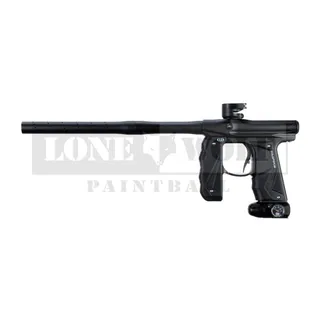
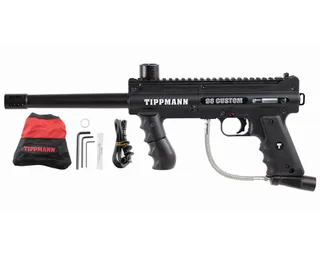
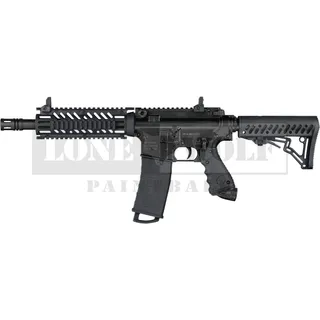
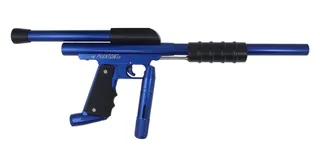










Brass Eagle Stingray. Ultimate Guide
An iconic 1990s/2000s budget gun that introduced a generation to paintball; collected for nostalgia rather than performance.
Brass Eagle Stingray Technical Specifications
| Operation | Mechanical blowback |
|---|---|
| Firing Modes | semi-auto |
| Caliber | .68 |
| Feed System | Gravity hopper |
| Air Source | CO2 |
| Operating Pressure | ~400 psi |
| Weight (unloaded) | 2 lbs |
| Street Price | $20-60 (used) |
| Maintenance | Low |
Notable features: Simple blowback, Lightweight plastic body, Mass-market icon
Pros & Cons
Pros
- Nostalgia value
- Dirt cheap used
- Historically significant
Cons
- Crude by modern standards
- CO2 era design
Best for: Collectors/nostalgia, Display, Backyard plinking
Setup & First-Day Tuning Guide
- Inspect Cup Seal & Fittings Before Air. Before adding air to the Brass Eagle Stingray, inspect the cup seal inside the valve and all macro-line fittings. The cup seal is the #1 failure point on mechanical guns. Replace if cracked or flat. They cost under $5.
- Attach Air Source Slowly. Thread on your HPA tank or CO2 tank slowly. Listen at all connections for leaks. HPA is strongly recommended over CO2 for consistency and long-term seal health.
- Install Barrel & Loader. Attach barrel and loader before loading paint. A gravity hopper works at 5-6 BPS. An agitating loader prevents jams and is worthwhile at any price point.
- Chronograph & Adjust Velocity Screw. Fire 10 shots across the chrono. Adjust the Brass Eagle Stingray's velocity screw clockwise to raise, counter-clockwise to lower. Quarter-turn increments. Target your field limit (usually 280 fps).
- Shoot 20 Break-In Shots, Then Re-Chrono. Mechanical blowbacks often run 5-10 fps high for the first 20 shots as the cup seal seats. Re-check after break-in and make a final adjustment.
- CO2 Rate-of-Fire Warning. On CO2, keep rate of fire under 6-7 BPS. Faster pulls liquid CO2 through the valve causing freeze-ups and seal damage. HPA eliminates this entirely.
Maintenance Schedule
| Interval | Task | Detail |
|---|---|---|
| After every outing | Barrel, bolt & exterior clean | Squeegee twice, bolt wipe, screws snug. |
| Every 5 sessions | Bolt O-ring lube & cup seal check | Clean with isopropyl, dry, apply Dow 33. Inspect cup seal. Replace if deformed. |
| Every 6 months | Valve & fitting service | Re-lube all O-rings. Check all fittings and inline regulator if present. |
| Annually | Full teardown & O-ring replacement | Complete disassembly, full O-ring kit replacement, inspect springs. |
Very simple internals; mostly of historical interest.
Common Problems & Troubleshooting
- Velocity drops mid-play
- Cause: Worn cup seal; CO2 liquid pull; low pressure
- Fix: Inspect cup seal first. On CO2, slow your ROF. Try a fresh tank fill.
- Bolt doesn't return after firing
- Cause: Broken hammer return spring
- Fix: Disassemble the Brass Eagle Stingray and inspect the hammer spring. Replace with an OEM spring. They cost under $10.
- Ball breaks in barrel (chops)
- Cause: Worn detent; hopper not keeping up
- Fix: Check the ball detent. If shooting over 6 BPS with a gravity hopper, upgrade to an agitating loader.
- Air leaks from barrel
- Cause: Worn cup seal
- Fix: Replace the cup seal. This fixes barrel leaks in 90% of mechanical blowback guns. Part costs under $3.
- Air leaks from grip area
- Cause: Valve body O-ring failure
- Fix: Apply Dow 33 to the valve body O-ring. Also check all macro-line compression fittings.
Upgrade Path
- Mostly collected as-is
Brass Eagle Stingray Paintball Gun FAQ
Is the Brass Eagle Stingray good for beginners?
Yes. The Brass Eagle Stingray is an excellent first-time gun. It's durable and forgiving of beginner mistakes.
Does the Brass Eagle Stingray run on CO2 or HPA?
Compatible with CO2. CO2 works but HPA gives significantly more consistent velocity and is better for long-term seal health.
What is the operating pressure of the Brass Eagle Stingray?
The Brass Eagle Stingray operates at ~400 psi. Match your regulator output to this spec.
How hard is the Brass Eagle Stingray to maintain?
Easy. Basic bolt cleaning every few sessions. Very simple internals; mostly of historical interest.
What loader does the Brass Eagle Stingray need?
A standard 200-round hopper works. An agitating loader prevents jams at higher rates of fire.
How much does the Brass Eagle Stingray cost?
New: $N/A MSRP, typically $20-60 (used) on the street. Used prices vary. Check BST forums and eBay for current asking prices.
What barrel thread does the Brass Eagle Stingray use?
The Brass Eagle Stingray shoots .68 caliber. Confirm the specific thread pattern for your variant before ordering a barrel.
What firing modes does the Brass Eagle Stingray support?
Supported modes: semi-auto. Most recreational fields require semi-auto only.
How heavy is the Brass Eagle Stingray?
2 lbs unloaded. With a full hopper and HPA tank, expect roughly 4.5-5.5 lbs total.
Is the Brass Eagle Stingray worth buying?
An iconic 1990s/2000s budget gun that introduced a generation to paintball; collected for nostalgia rather than performance. Strengths: Nostalgia value, Dirt cheap used. Trade-offs: Crude by modern standards, CO2 era design.
Compare prices and see live listings on the Brass Eagle Stingray gun page.