Browse guns
Collections
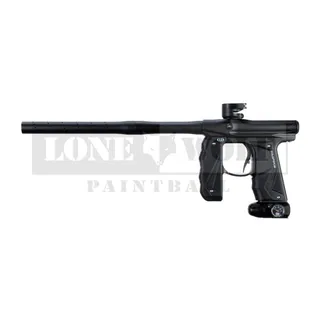
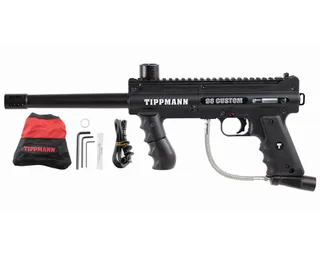
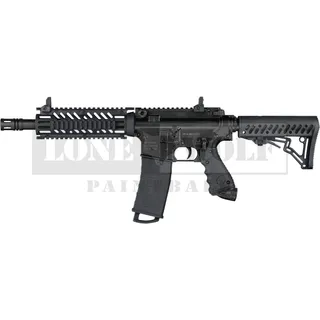
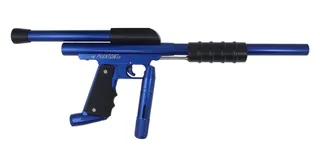












Spyder Fenix vs Valken Proton
Compare the Spyder Fenix and Valken Proton side by side: price, specs, firing modes, weight, and maintenance, and see which paintball gun is the better buy for your style of play.
| Spyder Fenix | Valken Proton | |
|---|---|---|
| Price Tier | Budget | Budget |
| Typical Price | $140-190 | $140-200 |
| Operation | Electropneumatic-assisted blowback | Electropneumatic-assisted |
| Firing Modes | semi-auto, burst, full-auto, ramping | semi-auto, ramping, full-auto |
| Caliber | .68 | .68 |
| Feed | Gravity hopper | Gravity hopper / force-fed |
| Air | HPA/CO2 | HPA |
| Operating Pressure | ~300 psi | ~250 psi |
| Weight | 2.4 lb | 2.4 lb |
| Maintenance | Low | Low |
Spyder Fenix vs Valken Proton
The Spyder Fenix and Valken Proton are both budget paintball guns, so the choice comes down to how each one fits your game rather than how much you spend. The two land close enough on price that cost alone is unlikely to settle it. Both fire electronically, but the Spyder Fenix offers more firing modes for dialing in your rate of fire. The Spyder Fenix is built with budget players wanting firing modes and rec play in mind. The Valken Proton is built with budget upgraders and rec play in mind. Both are standard .68-caliber paintball guns, so they share the same paint, air, and most aftermarket upgrades, which means your running costs come down to how often you hit the field rather than which one you buy. Bottom line: the Spyder Fenix has the clearer edge, especially for programmable firing modes.