Browse guns
Collections
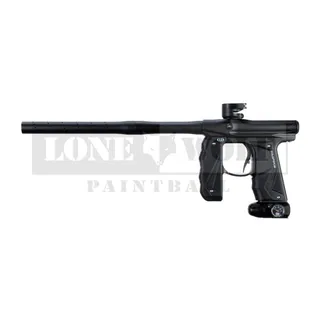
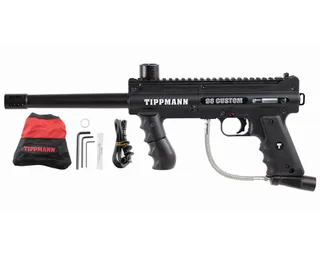
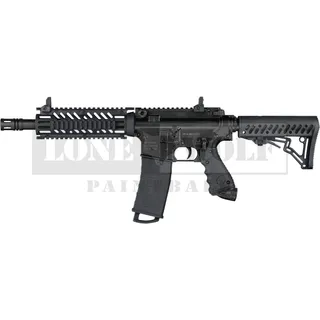
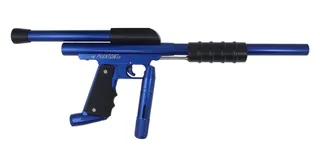













GOG G1 vs WGP Autococker (classic)
Compare the GOG G1 and WGP Autococker (classic) side by side: price, specs, firing modes, weight, and maintenance, and see which paintball gun is the better buy for your style of play.
| GOG G1 | WGP Autococker (classic) | |
|---|---|---|
| Price Tier | Mid-Range | Mid-Range |
| Typical Price | $180-300 (used) | $150-600 (used) |
| Operation | Electropneumatic spool | Mechanical/pump Autococker (pneumatic timing) |
| Firing Modes | semi-auto, ramping | pump, semi-auto (mechanical) |
| Caliber | .68 | .68 |
| Feed | Force-fed | Vertical / power feed |
| Air | HPA | HPA/CO2 |
| Operating Pressure | ~150 psi | ~250-300 psi |
| Weight | 2 lb | 2.8 lb |
| Maintenance | Low | High |
GOG G1 vs WGP Autococker (classic)
The GOG G1 and WGP Autococker (classic) are both mid-range paintball guns, so the choice comes down to how each one fits your game rather than how much you spend. On price, the GOG G1 runs roughly $135 less, so budget-first buyers will lean its way. Players who want less upkeep should look at the GOG G1, which rates low on maintenance and asks less of you between games. Both run electronic firing modes, so trigger feel and board tuning matter more here than the spec sheet. At 2 lb the GOG G1 is the easier carry over a long day on the field. The GOG G1 is built with value upgraders and speedball in mind. The WGP Autococker (classic) is built with collectors and cocker enthusiasts in mind. Bottom line: the GOG G1 is the stronger all-round pick here, especially for a tight budget.